387-386. the dream nebula + it’s all in the mind

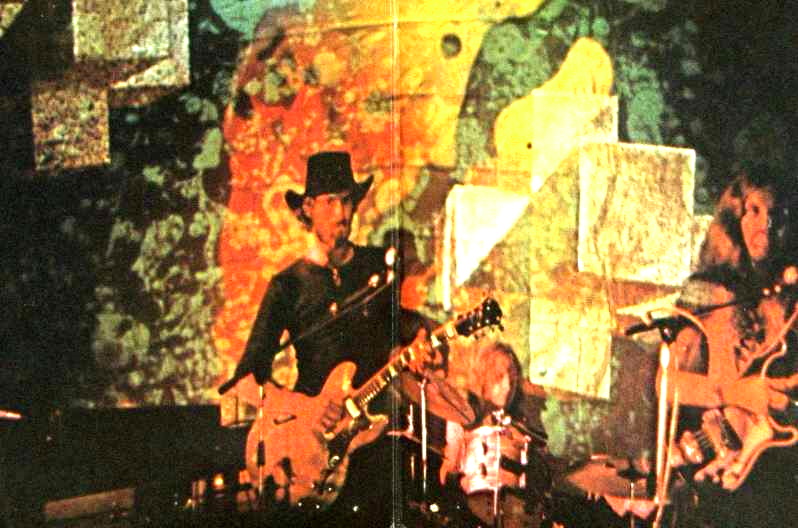
Two (or maybe three) in a row from Nektar‘s 1971 conceptual spectacular Journey To The Centre Of The Eye, one of those albums that deftly walks the line between so-called prog rock and so-called psychedelic rock, managing to be both mindblowing and reasonably precise. Frank Zappa was certainly impressed, so much so that he had plans to sign Nektar to his Discreet label, a plan that crumbled along with Zappa’s partnership with his manager (one of those long stories). Which perhaps explains why we never heard that much of Nektar over here in the Americas. Or maybe their first album was simply their best – an astonishing and ultimately harrowing voyage to the deep and high beyond within. In other words – an acid trip, the heroic kind, right through the centre of the eye to the dream nebula and beyond, all in the mind anyway.
388. The Journey + I see you

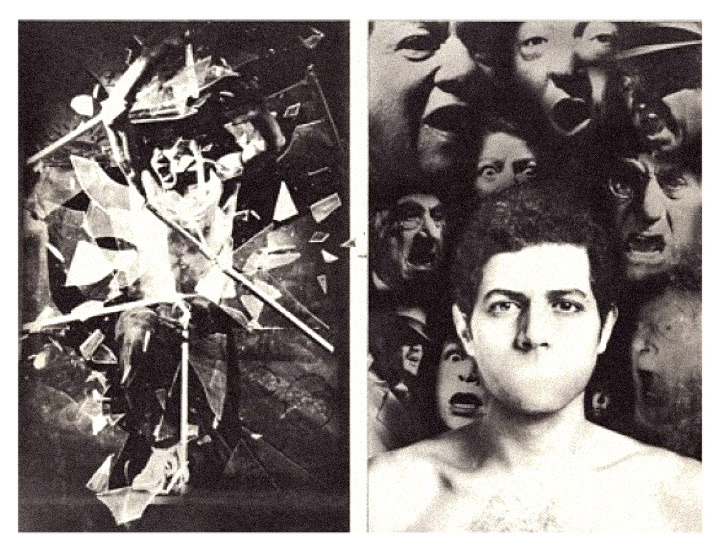
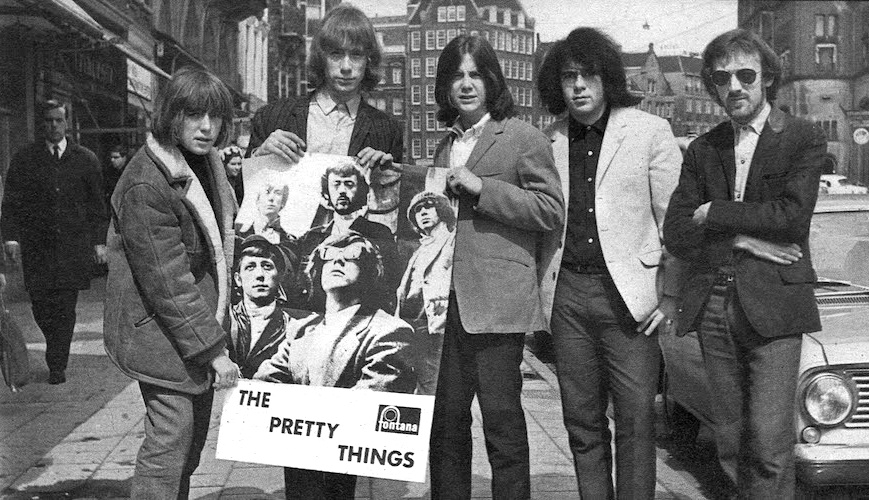
“London’s Pretty Things were always there in the swinging 60s, in tune with the times, if not in time with them (if that makes any sense), which means that by 1968, they were launching into realms psychedelic and beyond with the epic tale of Sebastian F Sorrow, a full-on integrated cycle of songs that hit the culture many months before the Who’s Tommy would make the notion of a rock opera a genuinely big deal. No, SF Sorrow didn’t sell that well, doesn’t generally get name-checked when the experts are trying to make sense of the age, but for me anyway, it stands up better than Tommy, minute for minute, song for song, maybe because it’s only a one record set, with the high point coming on side two, when SF Sorrow encounters the mysterious Baron Saturday (intended to represent Baron Samedi of Haitian Voodoo notoriety), who ‘borrows his eyes’ for a trip through the underworld, with terrifying consequences.” (Philip Random)

472. Horsell Common + the heat ray

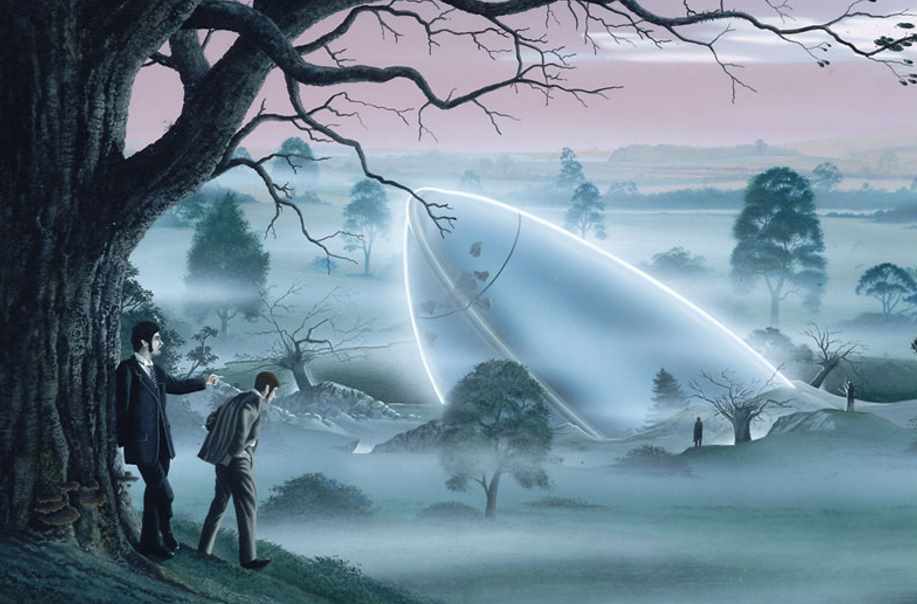
Just because punk rock hit in 1976-77 and changed EVERYTHING in its nasty, ugly-beautiful, inarticulate way, doesn’t mean it all happened overnight. Which meant that even as we were all cutting our hair, shredding our t-shirts, learning to dance pogo, there was still time to light up an occasional doob, put on the headphones and trip out to various big deal concepts. Jeff Wayne‘s Musical Version of The War of the Worlds would have been one of the last of these worth paying attention to, a rock opera interpretation of H.G. Welles’ sci-fi epic, featuring the incongruous talents of David Essex, Phil Lynott, Justin Hayward, Chris Spedding, and oh yeah, Richard Burton. The mostly instrumental Horsell Common + The Heat Ray shows up about half-way through side one and deliciously marks that point that the Martians officially turn nasty.

JeffWayne-HorsellCommon

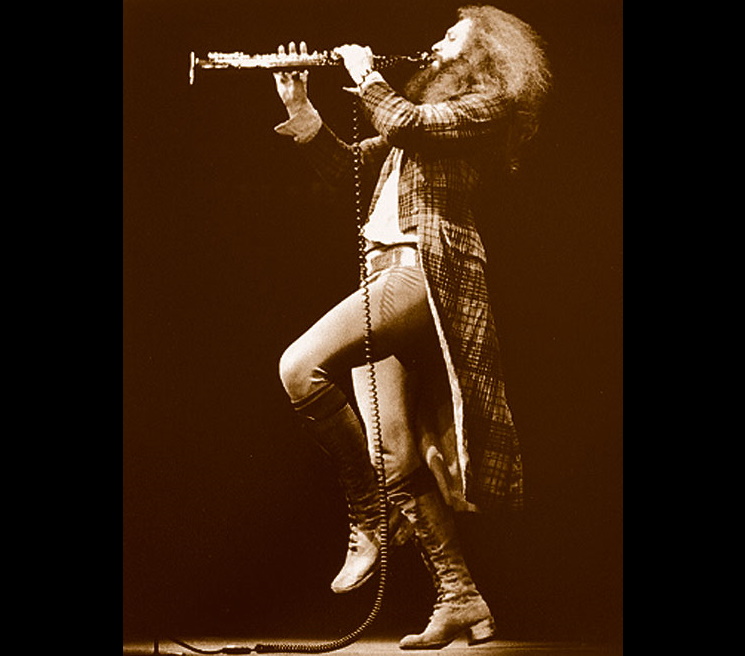
637. A Passion Play

“It seems insane to even think about it now, but in 1972 Jethro Tull conquered the world with a 43-minute-44-second song called Thick as a Brick that comprised the entire album of the same name. Adventurous, dense, continuous, it even half made sense, both musically and lyrically. So what did Ian Anderson (Tull main man) and his talented crew do for a follow-up? Another album long song, this one called A Passion Play, which proved even more dense and adventurous than Thick As A Brick. And I’m still trying to figure it out. Actually, that’s a lie. I gave up a long time ago, because as a friend concluded, ‘Man, you’ve gotta be Ian Anderson’s f***ing brain to know what any of that’s supposed to mean.’ Which doesn’t mean I ever stopped listening to it. I guess I just pretend I’m Ian Anderson’s brain for a while.” (Philip Random)

(image source)

949. remember the future [part 1]

Nektar being one of those so-called prog bands that never quite made it over here in the Americas. Maybe because they were from Germany, and how many German bands made it in the 1970s? But they were English actually – they just met in Germany and ended up staying there. Maybe it was their live show, a little too ambitious and unwieldy to travel well. Or maybe they were just too musically out there, as they perhaps were with the entirety of Remember The Future a full album concept concerning a blind boy and an alien and everything, really. So we only have Part One listed, the first side, the better side.”

960. fly on a windshield + Broadway Melody of 1974

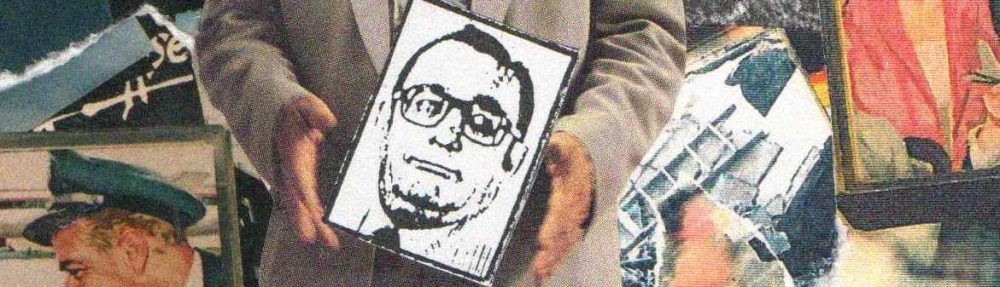
Two songs that more or less fuse into one from that oft forgotten era when the band known as Genesis weren’t just considered cool and relevant, they had the keys to the underground. In fact, they had a whole concept album about the place called The Lamb Dies Down on Broadway wherein a Puerto Rican street punk named Rael gets caught up in a local apocalypse (like a fly on a windshield) and next thing he knows, he’s trapped in dense labyrinthine depths that will take him the better part of four sides of vinyl to reconcile. In other words, it’s the early Genesis at the absolute peak of their ambitions (if not their attainments) and Peter Gabriel’s final album with the band. Though both would go off to achieve mega levels of success on their own, neither would ever again come close to the sheer weird edge cutting heights (depths?) they achieved here.