803. roots of oak

For most folks, the Donovan story peaks with all that acid everybody was taking in 1966-67-68, and then sort of wanders off down a lost road. Which is rather what 1970’s Open Road sounds like in a very good way, with the aptly named Roots of Oak a folksy yet expansive musing on nature, the elements, time, everything. No flies on this hippie.

Donovan-1970

804. song of the deletron [revises the scene]

In which the Melodic Energy Commission, Vancouver based pychedelicists hook up with a Hawkwind refugee, ignore all the punk rock and vitriol that’s raging around them at the time, go deep and high instead, and deliver an essential travelogue for those keen on exploring the great beyond within. The album’s called Stranger in Mystery and the whole thing’s a trip.

805. m[emorie]

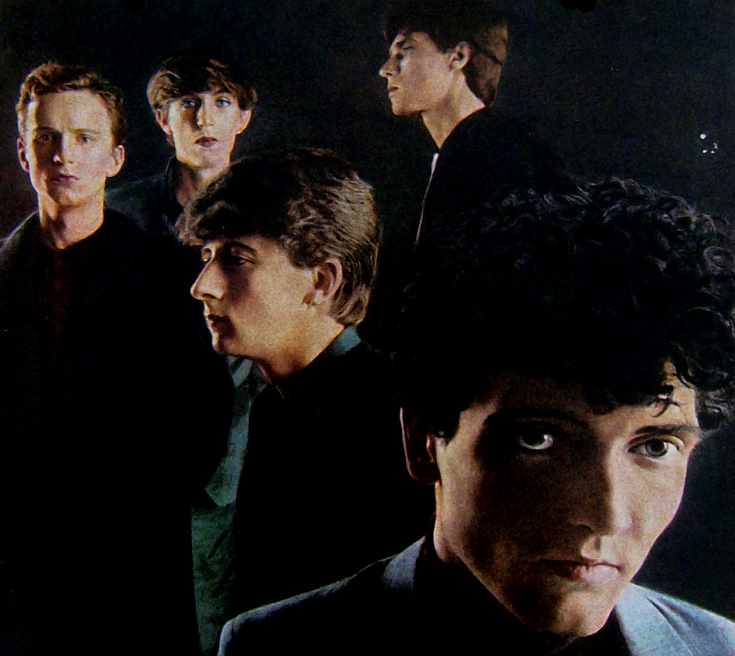
Dynamite pop nugget from Cowboys International, one of those so-called post-punk outfits out of England that came and went long before we even knew they existed over here in the Americas. M[emorie] stands out because of the old school analogue synth work, and guitars that truly ring like bells.

CowboysInternational

806. Seven Seas of Rhye

“In which Queen (before the world had a clue who they were) unleash an astonishing mix of heavy licks, mad harmonies and wild mood swings all in service of some high fantasy concerning a mythical Queendom called Rhye. Which, if you were fifteen years old and stuck in the mid-1970s confused about pretty much everything, was exactly what the Universe needed you to hear.” (Philip Random)

queen-1974

807. White man in Hammersmith Palais

Speaking of bass culture, (and contrary to popular belief) it needs to be said that White Man in Hammersmith Palais was neither The Clash‘s first reggae song (that was Police + Thieves), nor its best (probably something from Sandinista). But it was the first one they actually wrote, Joe Strummer to be specific, slipping out of his punk mindset long enough to wax poetic on politics and music, Robin Hood and Hitler, black and white, everything really.

Clash-whiteMAN

808. Bass Culture

Skull rattling dub poetry c/o Linton Kwesi Johnson makes it clear that reggae music is mostly about the bass, the way it makes a body (and thus a whole culture) move. The drums, they just keep things rock steady.  The guitars, keyboards, horns etc – they’re just along for the ride. It’s the bass that’s going places, and sometimes the poetry, “like a righteous harm, giving off wild like madness.”

LKJ-bassCULTURE