“The Eurythmics were quite cool at first, a breath of fresh and soulful air in amid all the synth-pop of the early-mid 80s. But by 1987, I’d mostly lost interest … except for Savage, the song in particular. Bitter yet vulnerable, and definitely dangerous, like some 50s movie hard-as-nails beauty losing her looks, maybe resorting to murder, but you couldn’t stop feeling for her. Joan Crawford would have played her. And you probably would have cried at the end even if she deserved everything.” (Philip Random)
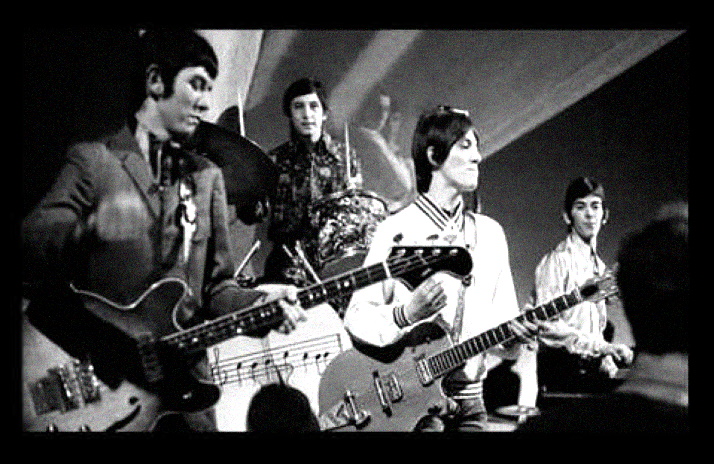
“It’s the noise that hooked me on this Small Faces nugget. Only 1966 and it’s already in evidence, tearing up the dimensions. The whole song‘s a blast really, sub-two-minutes of sheer fun and spite. Definitely not a love song.” (Philip Random)
In which the Pretty Things take us back to the dawn of this so-called pop apocalypse. It’s 1965 and whatever’s going down in London, whatever mix of drugs, fashion, overall youth discontent — it’s good, it’s swinging, it’s f***ing immortal … for two minutes anyway in the case of Buzz The Jerk.
“By 1988, the artist still known as Prince pretty much owned the world, pop, cool and otherwise. He wasn’t just cranking out the tightest, funkiest, coolest, most fun and genre exploding stuff on the planet, he was doing so at an insanely prolificrate. In two years alone, 1986 into 1988, you had Parade, Sign of the Times (double album) and Lovesexy, (not to mention the then unreleased Black Album, which found us anyway as a bootleg). So it’s no wonder that a mad piece of avant-pop genius like Lovesexy’s Dance On (go ahead, try dancing to it) might get missed. And maybe that’s a good thing. Maybe you needed a decade or so to process it. I think I did.” (Philip Random)
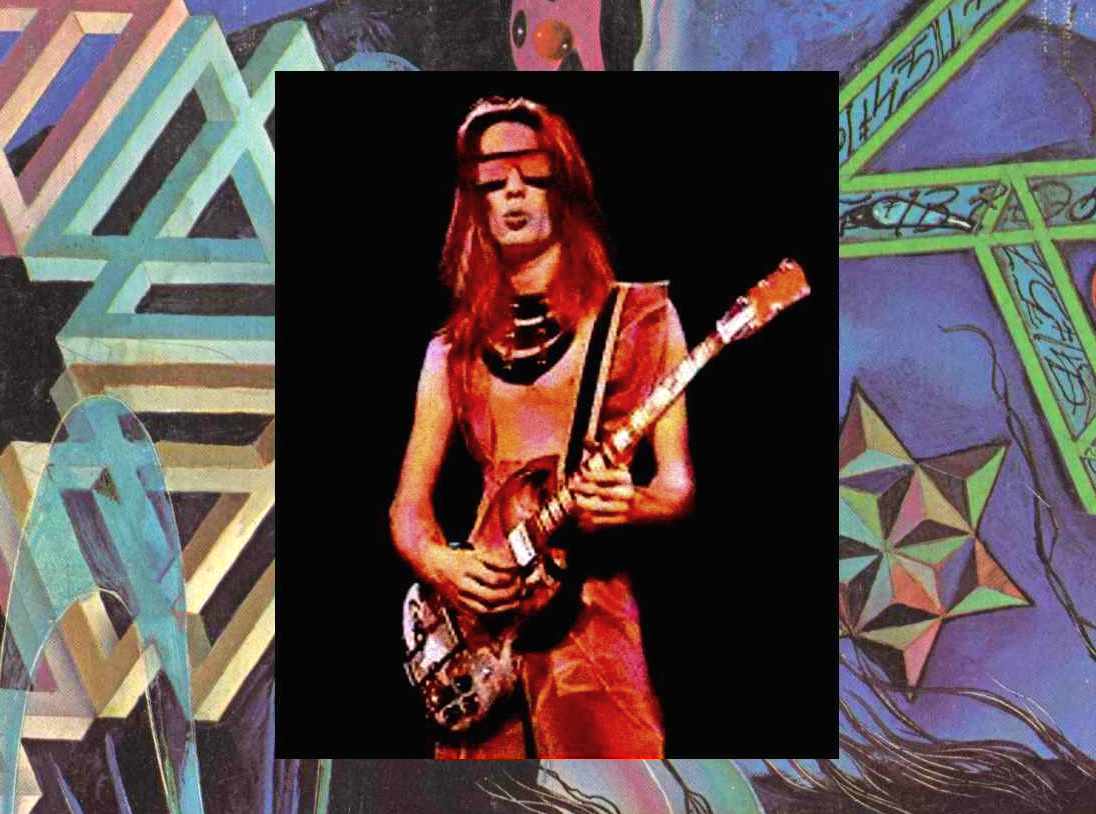
“This first showed up in my life on a homemade cassette somebody gave me subtitled International Never Never Zen, because to write down all the twelve tracks jammed into side one of Todd Rundgren‘s A Wizard, A True Star would be to induce writer’s cramp, I guess. And it all flows together as one anyway, or certainly tries to. Because this stuff is nothing if not mad (as opposed to insane), overblown and over-reaching in the best possible way, jamming tape experiments up against instrumental freakouts, recurring themes, a cover of a Peter Pan song (from the Broadway play) and at least one proper standalone epic (concerning a Zen Archer) … and overall, just wow. Not perfect at all, but what do you expect from a guy who had recently given up on his straight edge lifestyle to more or less embrace everything from cannabis to DMT, magic mushrooms, peyote, even Ritalin … all toward abstracting his creative process in such a way that the music ultimately flowed out of him like a painting, spilling directly from his brain and/or soul onto the metaphorical canvas of our ears. Or something like that.” (PR)
“I missed Hawkwind completely in the 1970s which is when they were truly happening. In fact, I never even heard of them until at least the end of the decade, and then it was mostly dismissive stuff from various critics: spaced out slop for morons who were too stoned for Rush, or words to that effect. The critics were wrong, of course. What Hawkwind had going, at least in those early days, was a nigh on transcendent application of science-fiction concepts to psychedelic methods. Seriously. Put on the headphones and crank this stuff up. It will take you places beyond the known universe and you won’t even need drugs. Because the musicians have done them for you. Lots of them. With 1972 a sort of ground zero in that regard. Doremi Fasol Latido was the fresh album of the moment, but the real magic was happening live via the Space Ritual and points well beyond within.” (Philip Random)



 Randophonic