335. father of night, father of day

https://www.youtube.com/watch?v=YDqVURC1YR4

Manfred Mann’s Earth Band being an example of a darned strong outfit that never bothered much for hype or glory, particularly in their early days, but rather just put everything they had into the music. In the case of Father of Night Father of Day, that meant taking a sub two minute Bob Dylan acoustic throwaway about the glory of God etc and electrifying it, amplifying it glorifying until it was almost ten minutes long, and miles higher. The whole album’s a killer by the way, 1973’s Solar Fire. The Roaring Silence got all the sales and notoriety three years later because it contained Blinded By The Light, but Solar Fire is superior by orders of magnitude, the definition of a rock that was progressive, and at a time when that still mattered.” (Philip Random)


336. big science

“It’s 1982 and Laurie Anderson, who no one I know has ever heard of, has suddenly painted a picture of the future, equal parts strange and beautiful, yet already haunted. The whole album‘s a gem but the title track deserves special mention for the way it delivers this future — all shopping malls, drive-in banks and every man for himself. And yodeling, hallelujah to that, and to the big science that makes it all possible — those cooling towers off the edge of town, higher than any church steeple ever towered, hissing and droning, liable to melt down and explode at any second.” (Philip Random)

LaurieAnderson-1982-NYC

337. albatross

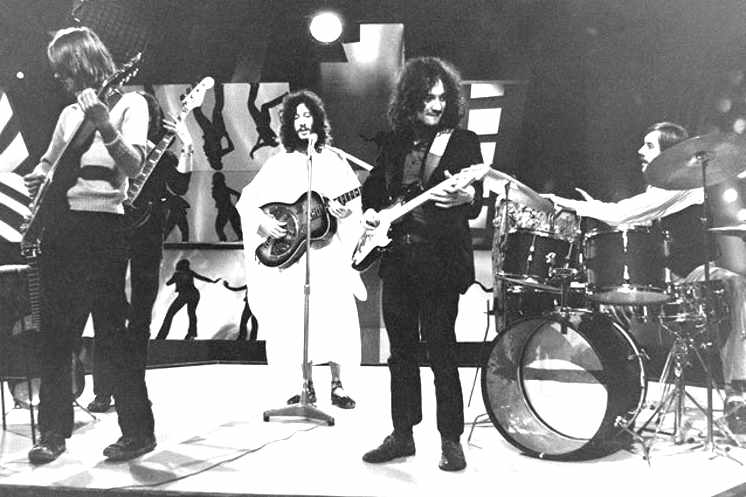
The melody’s nice here but it’s more the overall mournful mood that sets Albatross free. But, of course, the early Fleetwood Mac being a blues band, it’s not really that kind of albatross, is it? It’s the kind that you carry as a curse, hanging around your neck, weighing you down, reminding you and all the world that you blew it, you killed a beautiful thing for no damned reason. Which is sort of what happened to Peter Green, the man who wrote Albatross, his career pretty much over within the year, psychedelic drugs and mental illness finding each other in yet another brutal implosion of tortured genius.

FleetwoodMac-1969-live

338. pots on, gas on high

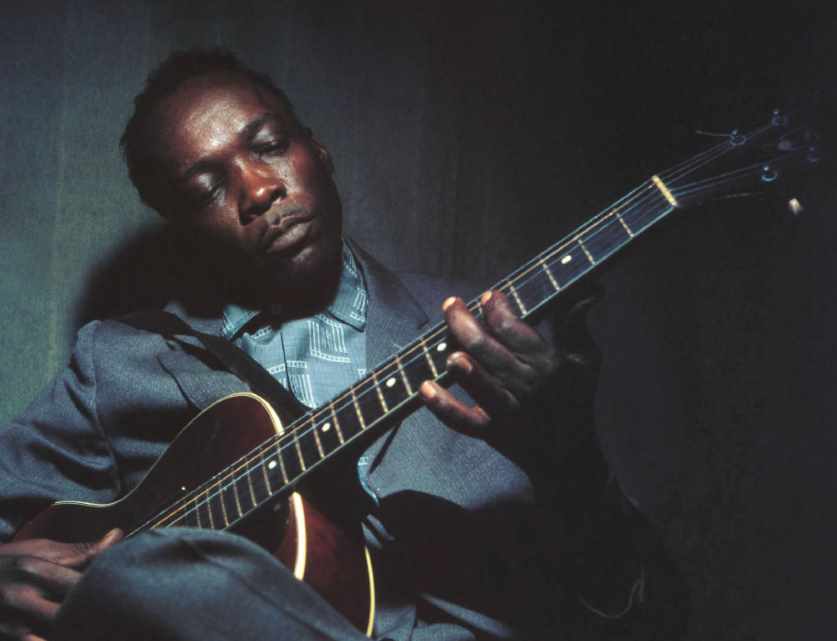
Some have called 1971’s Endless Boogie a failed experiment, but they’re wrong. Even if main man John Lee Hooker was just hanging around for much of it, letting the mostly white boys do the work (Carl Radle, Jim Gordon, Steve Miller, Gino Scaggs among others), it matters big time that he was there, bearing witness, leaning in every now and then to mumble something perhaps relevant to the temperature of the groove in question. Or maybe he really was just looking at the stove, pots full of weird potions bubbling over, setting the atmosphere itself alight.

JohnLeeHooker-younger

339. Mr. Brown

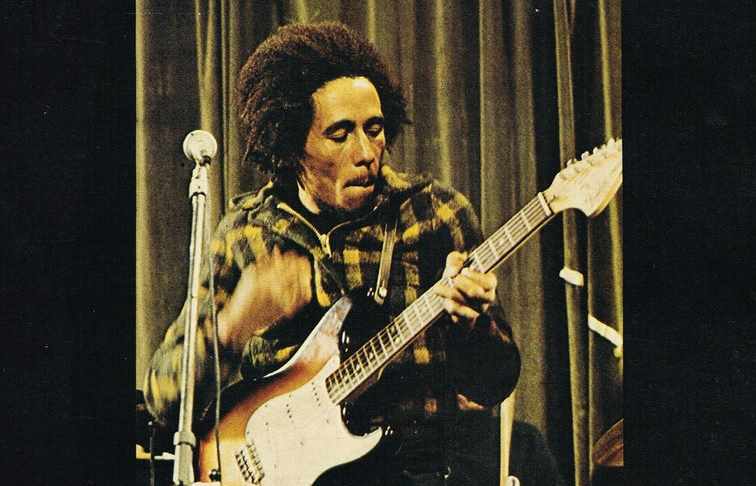
Mr. Brown is definitely the most garage sounding track I’ve heard from Bob Marley, which is not a surprise given Lee Scratch Perry‘s presence at the mixing board, conjuring his unique and multihued magic. Found by me on Rasta Revolution, a 1974 compilation of various pre-fame Marley and the Wailers odds and ends, which means it probably got recorded prior to 1972. Not that Marley saw much fame anywhere beyond Jamaica until after 1974 anyway. And then I didn’t stumble onto it until at least 1994. But it still felt fresh, if a little ripe.” (Philip Random)

BobMarley-RastaRevolution