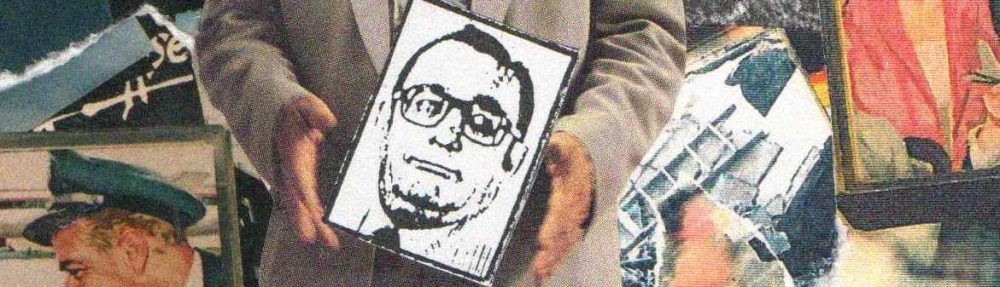
672. future days

“Are Can still the greatest band that most people have never heard? Probably. Which makes Future Days (song and album) always worth recommending, marking both the peak and the beginning of the end of their glory days. Not that they didn’t still have some great music in them post 1973, it would just never get back to such a strange and ethereal peak. Because singer, vocalist, lead madman Damo Suzuki was slowly fading away, not to return. Like a bittersweet dream of the future that actually came true, because there I was, a good ten or twelve years after the fact, hearing it for the first time myself, and it was perfect, it was exactly what the mid-80s felt like. Living in a future, ready or not.” (Philip Random)

673. Careful with that axe, Eugene

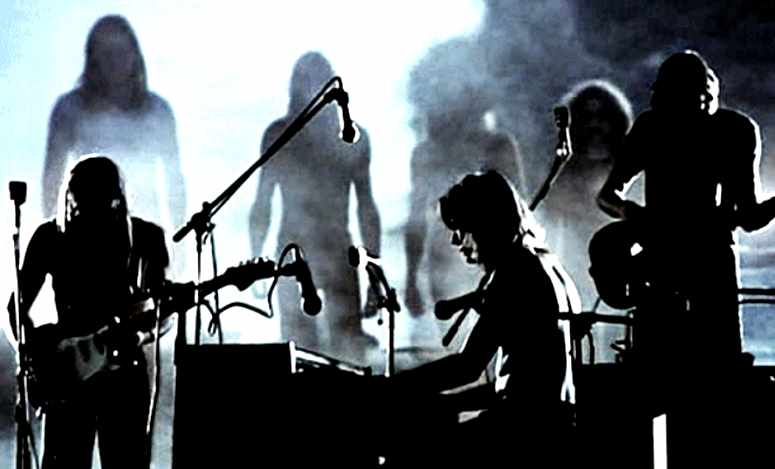
“A big part of the genius of the post-Syd-Barrett-pre-Dark-Side-of-the-Moon Pink Floyd is just how scattered, unformed, incomplete so much of it is – the various albums and soundtracks and loose pieces arriving more like strange and fabulous reports on an ongoing indefinable work in progress than anything remotely complete. Case in point, the numerous versions of Careful With That Axe Eugene floating around (at least one going by a different title altogether). If I had to choose only one though, it would be the live version found on side one of Ummagumma, simply because it scared the hell out of me the first time I heard it. Grade Seven sometime, a friend’s older brother having some good clean bloodcurdling fun with us on a dark winter’s night.” (Philip Random)

PinkFloyd-Pompeii

674. crush

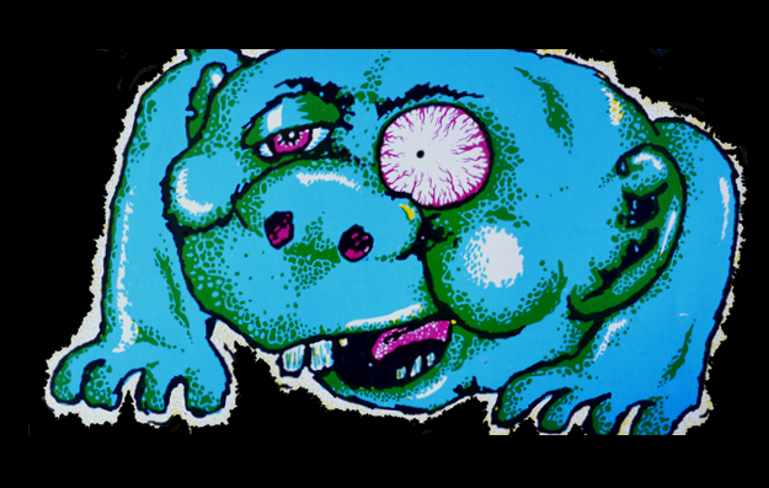
“A friend brought this Tall Dwarfs nugget back from New Zealand in the mid-80s sometime. Garage-psychedelia by way of lo-fi bedroom recording that was as sharp, as grimy, as fresh, as messy as anything else the world was offering me at the time. Crush makes the list for the sheer urgency of its groove, the cardboard box sounding drum sound, and the brutal relevance of its lyric. How do you feel when you find that the whole world hates you? Like a slugbuckethairybreath monster apparently.” (Philip Random)

TallDwarfs-Slugbucket

675. Uncle Lijah

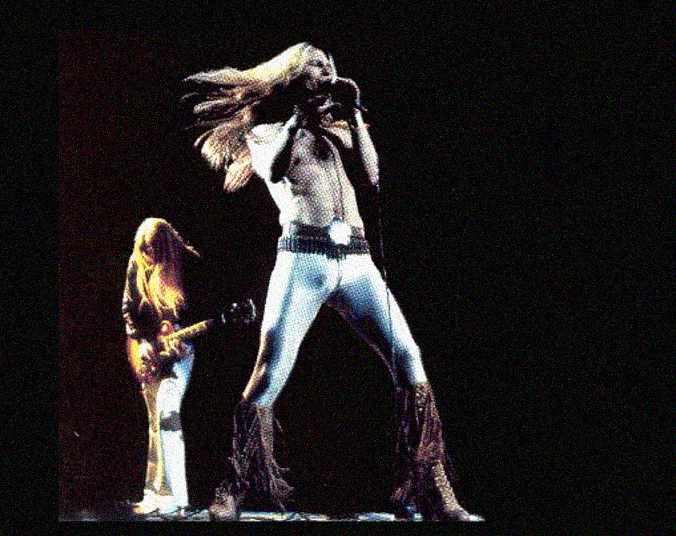
“My first encounter with Black Oak Arkansas came via late night TV when I was maybe fourteen. What struck me was A. the singer’s distinctly snarling vocals, and B. the band smashing all their gear at the end of the set. Imagine my surprise maybe twenty-five years later when I stumbled upon their first album and discovered they were actually a great, kick ass rawk band – working that zone where the redneck howl of Lynyrd Skynyrd met the deep, evil blues of Captain Beefheart, or perhaps Howling Wolf. And, it has to be said, David Lee Roth stole his entire look from Black Oak front man Jim Dandy.” (Philip Random)

BlackOakArkansas

676. sand

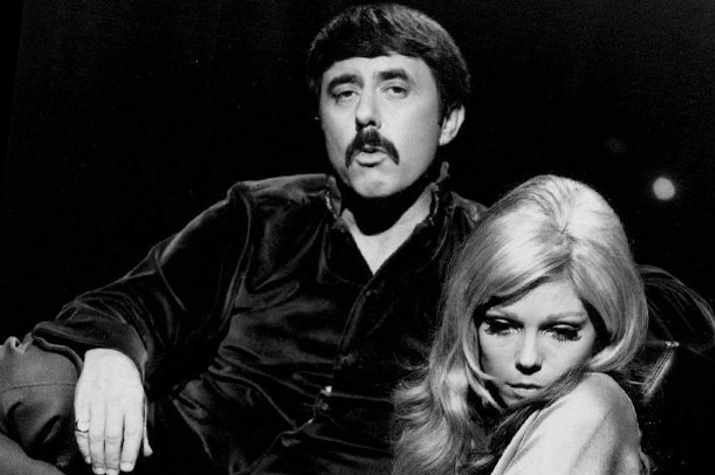
“It’s 1968 and even Frank Sinatra’s little girl Nancy is getting into the weird stuff, with a lot of help from Lee Hazelwood, who, as the story goes, earned himself a talking-to from a few of Frank’s ‘friends‘ from the old neighborhood for songs such as Sand. Which, it’s worth noting, I didn’t hear until after I’d encountered Einsturzende Neubauten’s rather bleak 1985 take. Strangely, Lee and Nancy’s original feels even darker.” (Philip Random)

NancySinatra+LeeHazelwood

677. march of the black queen

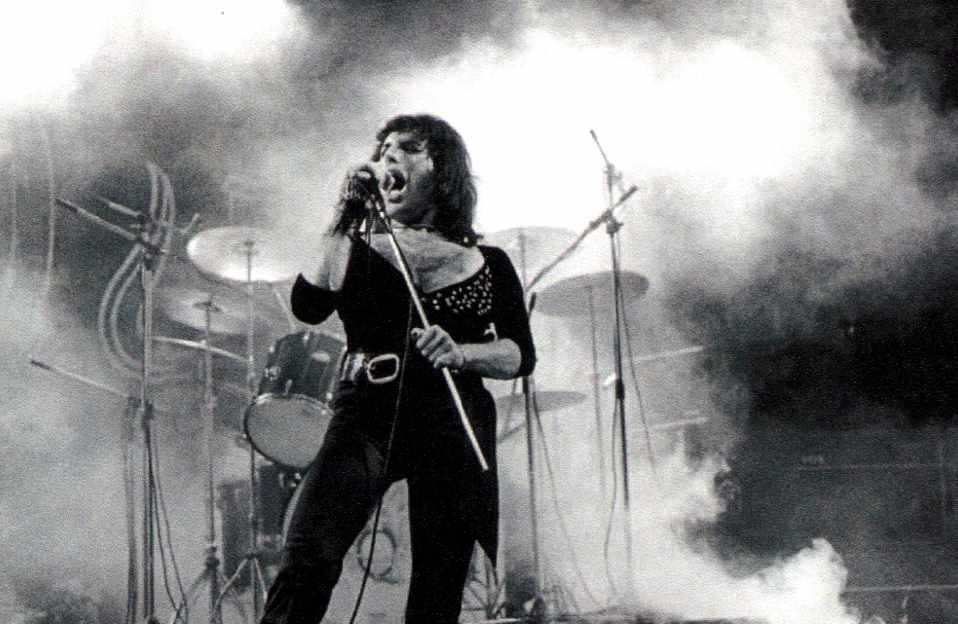
When Queen’s second album arrived in 1974, it was unlike anything the world had ever heard, unless you’d heard the first one, which very few had. And Queen II was even more of all that — the full metal raunch of Led Zeppelin, the camp 19th Century operatics of Gilbert and Sullivan, the heartfelt harmonic longing of the Beach Boys, the brash pop adventuring of the Beatles, and Phil Spector’s Wall of Sound, and glam, and prog. And if you were fourteen or fifteen years old, still getting by on five or ten bucks allowance a week – what better album to to buy than the one that had EVERYTHING! In the case of March Of The Black Queen, it was all in the one song.

queen-1974-2