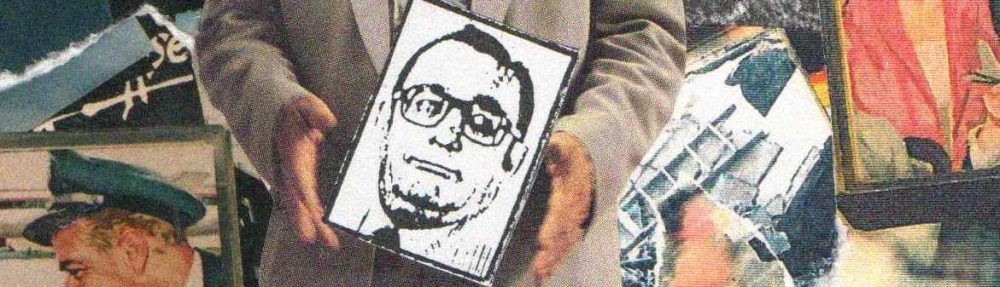
Sometimes the true genius of Bob Dylan is revealed not via some high reaching paradox infused poetry of chaos and apocalypse (or whatever), but when he’s just casually tossing something off, like this little ditty about grooving away in exotic Mozambique, found on 1976’s Desire, his last truly necessary album of the decade, unless you had a hunger for fire and brimstone and long trains slowly coming.
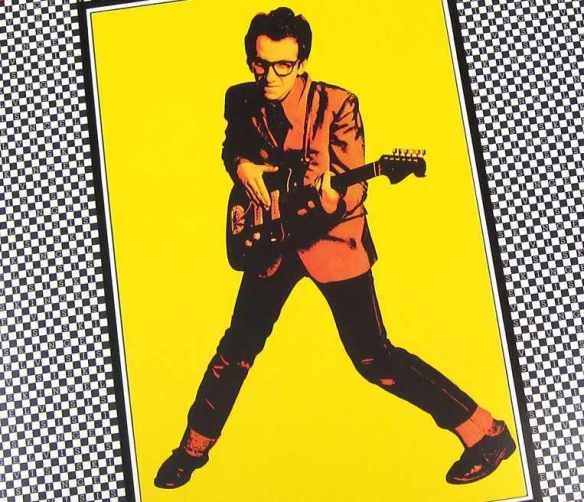
“In which young Elvis Costello smartly, smugly reminds us of what we were all doing back in 1977, and probably last week for that matter. For me, it started when I was maybe seven, flipping through one of those Time-Life picture books about the planet Earth. It told me the world was going to end in about four billion years. An inconceivably long time for sure, but still The End. In a small, yet significant way, everything suddenly changed, such that a few years later, when I started getting clear on things like the arms race, the Doomsday Clock, global thermo-nuclear war, Apocalypse in our time – well, it wasn’t such a big deal, I was already waiting for it.” (Philip Random)
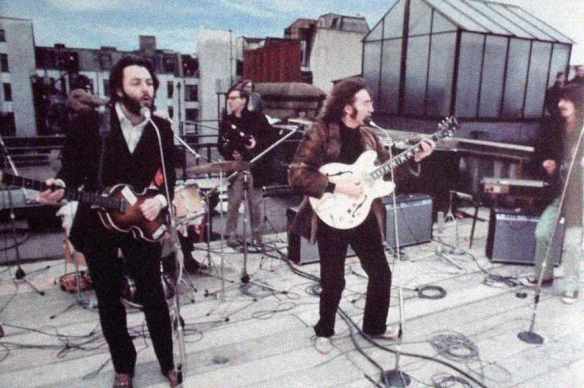
A comparatively un-heard Beatles track (found on Let it Be), and one that John Lennon (its composer) wrote off as ‘a piece of garbage’, and yet it still made it to that famous rooftop concert. “What it is, is kind of loose, kind of incomplete, kind of confusing. In other words, it’s the truth about the Beatles as things were all falling apart. I’ll take it over Long And Winding Road any day, or Yesterday for that matter.” (Philip Random)
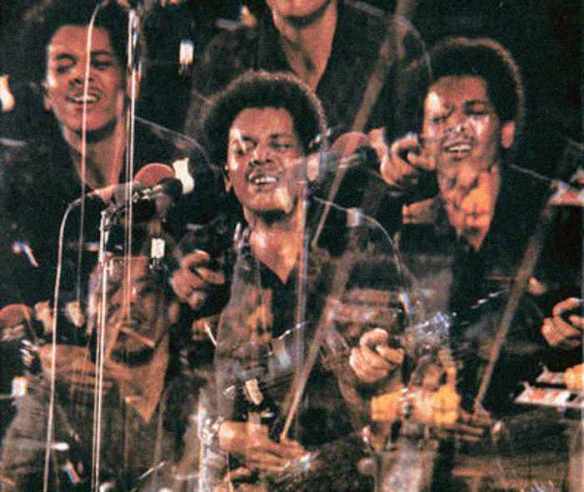
By 1970 (and probably all along), the Mothers of Invention were whatever and whoever Frank Zappa said they were. In the case of Directly From My Heart To You, that meant that Sugarcane Harris‘s straight ahead blues and violin take on a Little Richard original belonged on 1970’s Weasels Ripped My Flesh, which was that kind of album anyway – odds and sods and outtakes from various live gigs and studio sessions all jammed together and, strangely (or perhaps not) making for a very much essential Mothers excursion, the only limits being Mr. Zappa’s abilities (staggering) and taste (expansive to say the least). And then there’s that album cover, which Philip Random admits is the reason he bought it in the first place.
In which Ralph Schuckett, Richard Butler, Bob Dorough, Ellen Shipley and John Petersen take on a Kurt Weill song made famous by the Doors, sort of. But it really ought to be the other way around, Kurt Weill being one of the greatest songwriters of the 20th Century (oft working with Bertolt Brecht), and the degree to which so many are ignorant of this is the degree to which we continue to be ignorant of what makes this f***ed up world continue to spin and wobble and crash and burn. Fortunately, producer, arranger, lover-of-cool-stuff Hal Willner set a bunch of us straight in the mid-80s sometime with Lost In The Stars an all-star tribute if ever there was one. Beyond the five names already listed, it had Todd Rundgren, Van Dyke Parks, Dagmar Krause, Tom Waits, Marianne Faithfull, even Sting (not sucking) all throwing in, paying homage, telling the truth.
“JJ Cale speaks the truth. JJ Cale who’s cooler than I’ll ever be, or Eric Clapton for that matter. In fact, I’m cooler than Eric Clapton, because no one ever confused with me God, except myself, of course, but that didn’t survive my twenty-seventh birthday. But enough about me. How cool was JJ Cale? He was mucking around with drum machines as early as 1971, yet so deep into his dirt poor sort of lazy rolling boogie, blues, country stylings that nobody bothered to take note. But Money Talks came twelve years later, sounding like it may have been thirty years earlier. Nothing cooler than fooling time.” (Philip Random)