332. wake up n*****s

Performance, the movie, needs to be seen. It’s the one where Mick Jagger plays a sort of Satanic rock star who’s messing with the mind of gangster who’s on the lamb, mainly out of boredom, it seems. But that sells it way short. Look no further than the soundtrack and the inclusion of a song like Wake Up N*****s by the Last Poets. It has no particular reason to be in the movie. Other than to be that cool, that on the mark of what was really going down in 1970, with the pulse of revolution very much in the air.
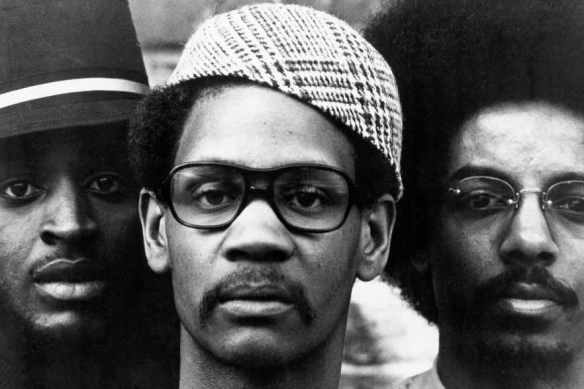
LastPoets-1970

333. numbers + computer world

“I first heard Kraftwerk‘s Computer World at Michael’s place. A sort of slimy guy that we used to buy dope from back in the late 70s, early 80s. He lived in a high rise near English Bay, always had the stereo on loud, usually playing shitty soft rock. Except this one time, a beautiful day, sun glowing in off the bay – it was this cool machine music. Kraftwerk, I would’ve guessed, except Kraftwerk weren’t around anymore, were they? A couple of gimmicky robot records back in the mid-70s and then back to Germany. I was right. It was indeed Kraftwerk, still cranking out the future. I was wrong. They were anything but a gimmick. Suddenly, I had a pile of exploring to do.”

Kraftwerk-1980-computerWorld

334. Blues for Allah

“I mostly ignored the Grateful Dead at first, had them shrugged off as brain damaged hippies or whatever. But then I heard some of their less than normal stuff, like the Blues For Allah suite found at the end of the album of the same name. That was hard to ignore. Hard not to embrace as genuinely cool and deep progressive music of high attainment. A trip to a place that no exists on no map, but it’s there regardless, and necessary. You had to come here, with Allah himself sitting right next to you at the edge … of all eternity.” (Philip Random)

gratefulDead-1975-live

335. father of night, father of day

Manfred Mann’s Earth Band being an example of a darned strong outfit that never bothered much for hype or glory, particularly in their early days, but rather just put everything they had into the music. In the case of Father of Night Father of Day, that meant taking a sub two minute Bob Dylan acoustic throwaway about the glory of God etc and electrifying it, amplifying it glorifying until it was almost ten minutes long, and miles higher. The whole album’s a killer by the way, 1973’s Solar Fire. The Roaring Silence got all the sales and notoriety three years later because it contained Blinded By The Light, but Solar Fire is superior by orders of magnitude, the definition of a rock that was progressive, and at a time when that still mattered.” (Philip Random)

336. big science

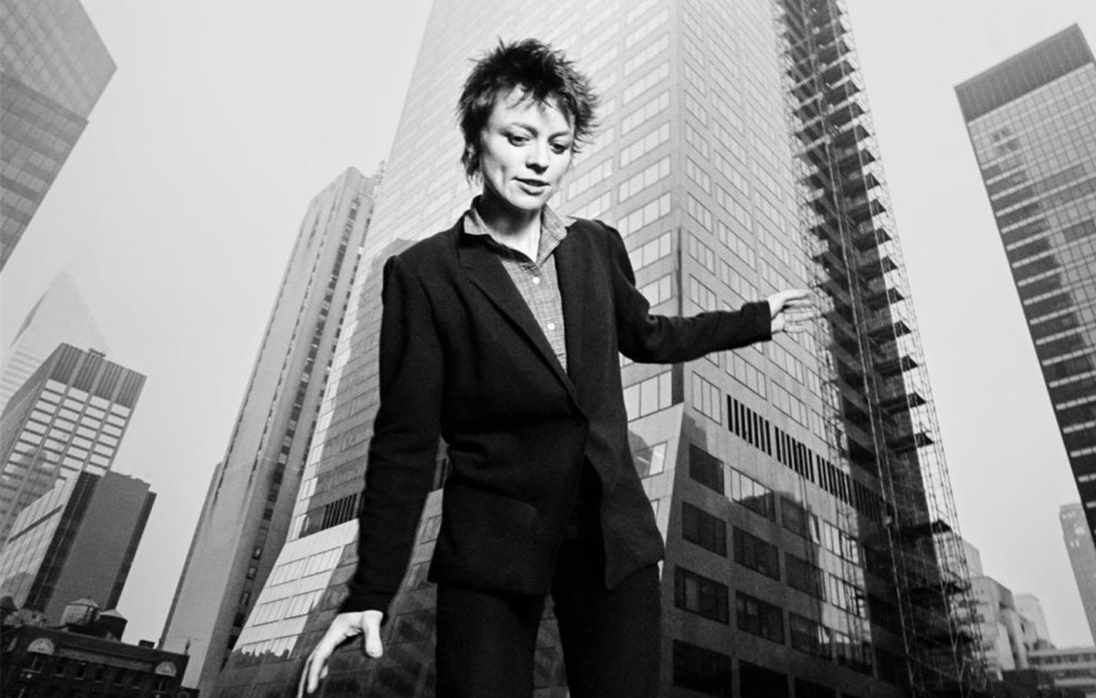
“It’s 1982 and Laurie Anderson, who no one I know has ever heard of, has suddenly painted a picture of the future, equal parts strange and beautiful, yet already haunted. The whole album‘s a gem but the title track deserves special mention for the way it delivers this future — all shopping malls, drive-in banks and every man for himself. And yodeling, hallelujah to that, and to the big science that makes it all possible — those cooling towers off the edge of town, higher than any church steeple ever towered, hissing and droning, liable to melt down and explode at any second.” (Philip Random)

LaurieAnderson-1982-NYC

337. albatross

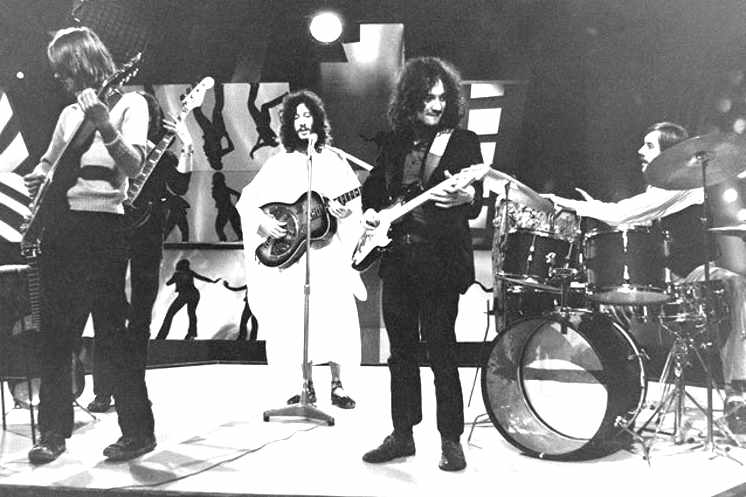
The melody’s nice here but it’s more the overall mournful mood that sets Albatross free. But, of course, the early Fleetwood Mac being a blues band, it’s not really that kind of albatross, is it? It’s the kind that you carry as a curse, hanging around your neck, weighing you down, reminding you and all the world that you blew it, you killed a beautiful thing for no damned reason. Which is sort of what happened to Peter Green, the man who wrote Albatross, his career pretty much over within the year, psychedelic drugs and mental illness finding each other in yet another brutal implosion of tortured genius.

FleetwoodMac-1969-live