322. bogus man

“I think of Bogus Man as where Roxy Music would have gone if Brian Eno had never left: to stranger, deeper, more evocative realms, while great hordes of confused hippies looked on from darkened streets, still coming down from that long strange trip known as the 1960s. Which is rather what was going on anyway with Roxy in their early years, strutting like peacocks through a world full of pigeons. As it was, Bryan Ferry had other ideas for his band, and it’s not as if Mr. Eno didn’t go off and invent the future anyway. Which he’d be the first to say the Germans were already doing. Can in particular without whom we would never have heard the likes of Bogus Man.” (Philip Random)

RoxyMusic-1973-promo

331. funky stuff

Kool + the Gang are one of those bands that sadly had to change because of the Disco eruptions of the mid-1970s, which sucks. Because they had a great thing going (as Funky Stuff clearly indicates) before all dance music suddenly had to be 4-4, boomp-boomp-boomp with cheesy strings on top. Even James Brown was afraid of them, or so I’ve heard.” (Philip Random)

kool+theGang-1973

335. father of night, father of day

Manfred Mann’s Earth Band being an example of a darned strong outfit that never bothered much for hype or glory, particularly in their early days, but rather just put everything they had into the music. In the case of Father of Night Father of Day, that meant taking a sub two minute Bob Dylan acoustic throwaway about the glory of God etc and electrifying it, amplifying it glorifying until it was almost ten minutes long, and miles higher. The whole album’s a killer by the way, 1973’s Solar Fire. The Roaring Silence got all the sales and notoriety three years later because it contained Blinded By The Light, but Solar Fire is superior by orders of magnitude, the definition of a rock that was progressive, and at a time when that still mattered.” (Philip Random)

350. “international never never zen”

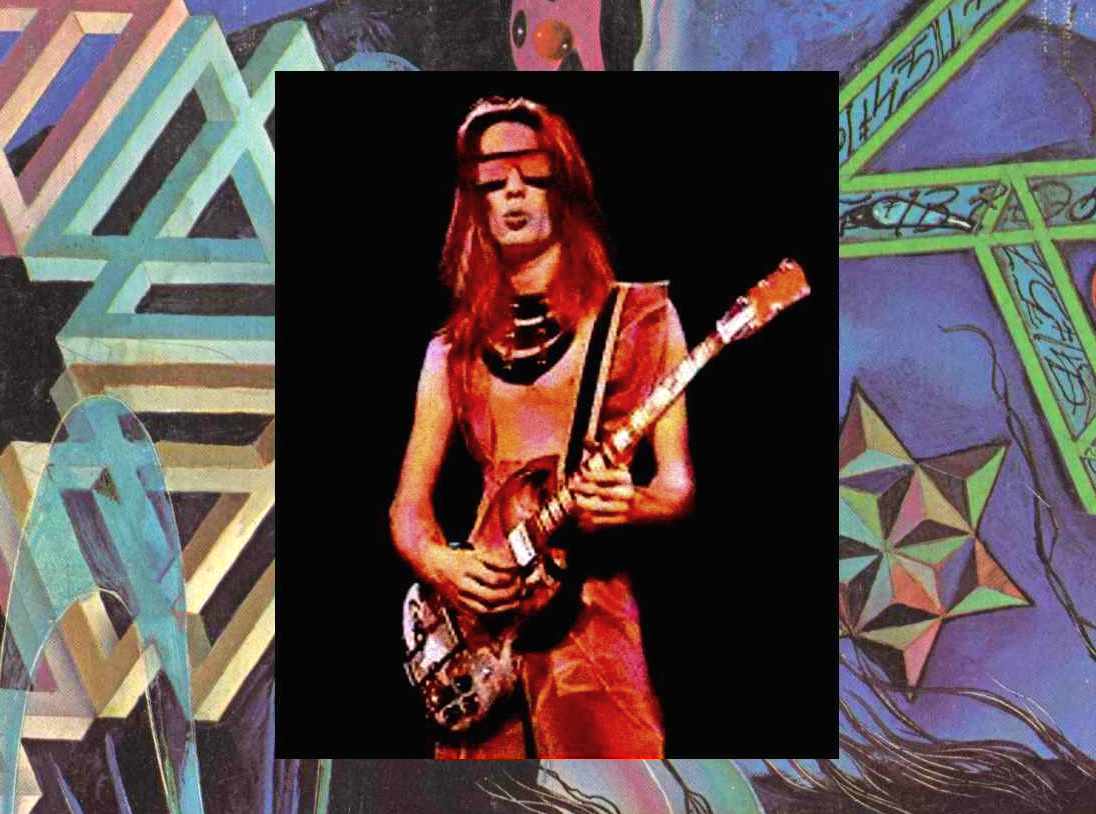
“This first showed up in my life on a homemade cassette somebody gave me subtitled International Never Never Zen, because to write down all the twelve tracks jammed into side one of Todd Rundgren‘s A Wizard, A True Star would be to induce writer’s cramp, I guess. And it all flows together as one anyway, or certainly tries to. Because this stuff is nothing if not mad (as opposed to insane), overblown and over-reaching in the best possible way, jamming tape experiments up against instrumental freakouts, recurring themes, a cover of a Peter Pan song (from the Broadway play) and at least one proper standalone epic (concerning a Zen Archer) … and overall, just wow. Not perfect at all, but what do you expect from a guy who had recently given up on his straight edge lifestyle to more or less embrace everything from cannabis to DMT, magic mushrooms, peyote, even Ritalin … all toward abstracting his creative process in such a way that the music ultimately flowed out of him like a painting, spilling directly from his brain and/or soul onto the metaphorical canvas of our ears. Or something like that.” (PR)

ToddRundgren-Wizard-edit

351. space is deep

“I missed Hawkwind completely in the 1970s which is when they were truly happening. In fact, I never even heard of them until at least the end of the decade, and then it was mostly dismissive stuff from various critics: spaced out slop for morons who were too stoned for Rush, or words to that effect. The critics were wrong, of course. What Hawkwind had going, at least in those early days, was a nigh on transcendent application of science-fiction concepts to psychedelic methods. Seriously. Put on the headphones and crank this stuff up. It will take you places beyond the known universe and you won’t even need drugs. Because the musicians have done them for you. Lots of them. With 1972 a sort of ground zero in that regard. Doremi Fasol Latido was the fresh album of the moment, but the real magic was happening live via the Space Ritual and points well beyond within.” (Philip Random)

Hawkwind-1973-live

359. madman across the water

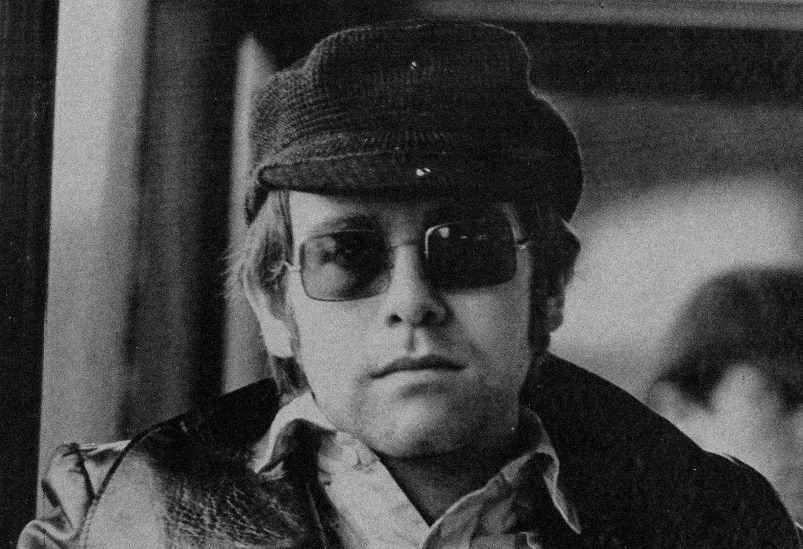
“I suppose I was born just early enough to remember a time when Elton John was not a big deal pop supernova, but rather a cool underground item, more for the older kids. Like Russ (boyfriend of a friend’s big sister) who insisted that Madman Across the Water was about Richard Nixon and Watergate, the crazy mess he’d made of things. He was the madman destroying everything he touched. Which kind of made sense in 1973. Except I later realized it was a 1971 record, and the Watergate break-ins didn’t even happen until 1972, and didn’t get much media coverage until after Mr. Nixon got himself massively re-elected with pretty much the biggest majority in American political history. Mad and confusing times, no question. Lots of scary shadows forming across the water, maybe throwing time itself out of joint. Who knew the what of anything? Except the music. The music was amazing.” (Philip Random)

EltonJohn-1971-serious