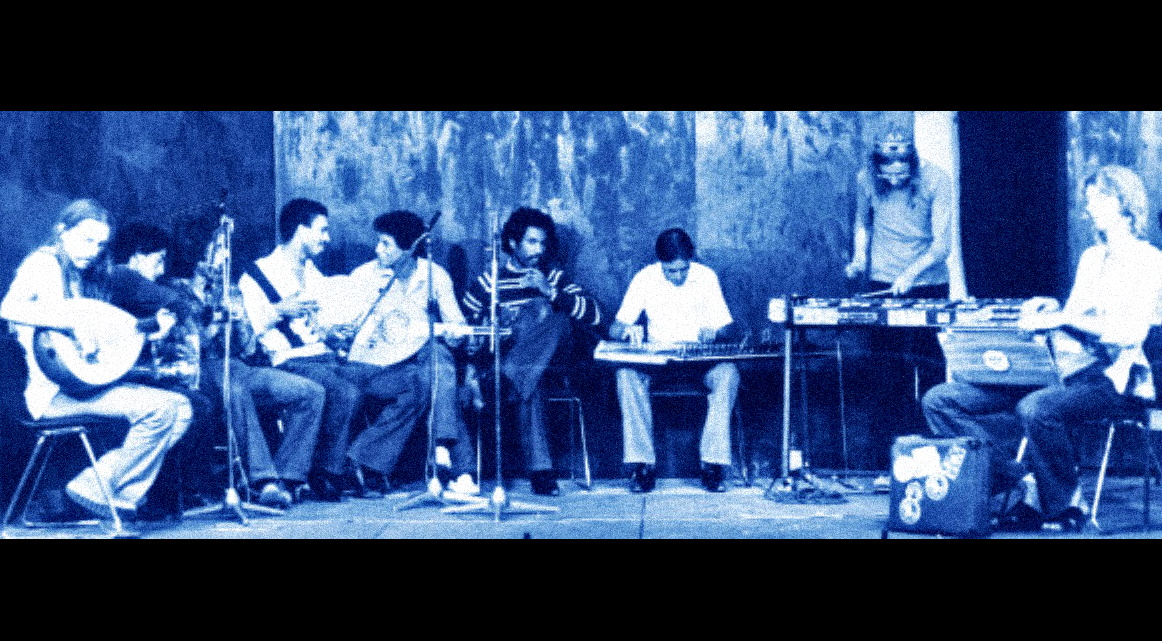
It’s 1979. The 1960s are long gone. Get over it. Unless you’re Embryo (German hippies with hot musical chops), in which case, you pile into a bus with a film crew and a load of recording gear and go further, go east, across Persia, Afghanistan, down the sub-continent into India, mix it up with masters and untouchables, deliver the ancient news. There’s even a movie about it.
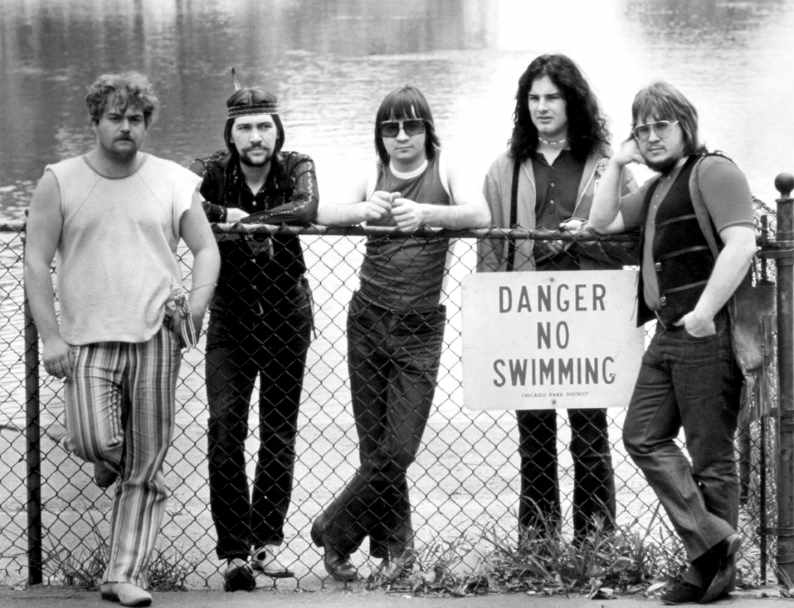
“Speaking of the Brave Generation (ie: those of us who were still little kids as the 1960s flipped over into the 1970s), pretty much everybody had a half-cool older brother or sister or cousin that had a copy of the Guess Who‘s Share The Land lying around – the one with the wise Indian on the cover. Which was rather the hippie teenage dream at the time. Smoke a little maryjane and get some mystical magical guidance from somebody/anybody who wasn’t your dad or your grand dad or your hockey coach, or anyone even remotely connected with your suburban whitebread, soulless culture. Or as the lyrics go in Three More Days (Burton Cummings channeling his inner Jim Morrison) ‘Freedom – paint me a picture – show it to me right now’. And then the band got busy stretching things out and tearing them up. Epic indeed.” (Philip Random)
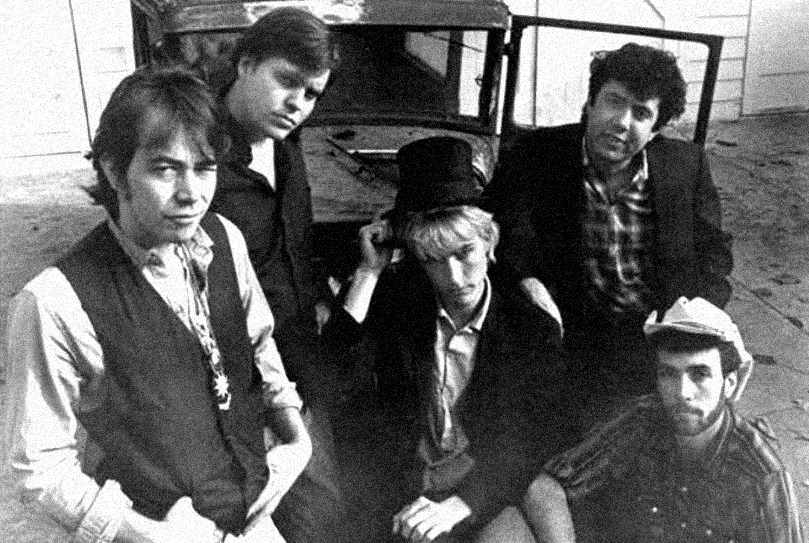
“Green on Red are yet another of those bands that never got the notice they deserved. Folk, rock, country, maybe a little psychedelic – they had a sound that was hard to get tired of, and, every now and then, a song like 1983’s Brave Generation (found on their first album) that just cut through all the cocaine banality of the time. At least, it did for me, probably because I’d never really thought much about my particular generation – the ones who were little kids when all the bigger kids (aka the hippies) were running wild, storming heaven, doing more than just talk about revolution. But that was all pretty much over by the time our puberty hit. The Beatles had broken up, Flower Power had wilted, Richard Nixon was getting re-elected, the Vietnam War still wasn’t over. I guess that made us brave more or less by default.” (Philip Random)
West German hippie artist types Amon Duul weren’t even a band really, more committed to overthrowing the whole corrupt western system than something as bourgeois as “making it” in music. Which led to an inevitable split. Who knows what exactly happened to the politicos? But the others renamed themselves Amon Duul II and unleashed an album called Phallus Dei (translating as God’s Phallus) upon the world. And big and virile and scary it was, particularly the side long title track.
No Motown act embraced the psychedelic stuff quite so thoroughly as the Temptations, with 1970’s Psychedelic Shack (song and album) their most obvious offering in that regard. “Fact is, there were psychedelic shacks in all three of the suburbs where I served my pre and early teen years (late 60s, tipping into the early 70s). Absolute no-go zones where long-haired freaky people set snares for small children, to be sacrificed unto Satan in acid drenched rituals come the next full moon. Later, I realized they were mostly just teenagers hanging out, and my parents were full of sh**.” (Philip Random)
“In which motorikly inclined German hippies Neu! do their bit to invent post-punk a good three or four years before we even had Punk. Of course, I wouldn’t discover Lila Engel until at least ten years after all that, so for me, it had more to do with providing an overall blueprint for the future of everything. Just lock that beat and lay down some music mixed with noise, because as a wise man once said (it might even have been me), we’ll always need a beat, and there will always be noise, might as well mix in some music.” (Philip Random)


 Randophonic

