192. sound chaser

“Maybe you had to be there like I was, fifteen years old, opening song of Yes’s 1975 Relayer tour. Stravinksy’s Firebird suite crescendos, the curtains part, and holy f***ing WOW!!! Call Sound Chaser an intervention. The gods themselves imposing on my affairs. Ecstatically so. Like the Apocalypse itself, but in a good way. Like these musicians, these sorcerers, weren’t really playing this music, they were conjuring it, shaping and turning and chasing this superlative noise that just kept bubbling over, ricocheting all around, setting even the atmosphere on fire. Or as my old muso friend Robert once put it, Sound Chaser‘s the one where Yes finally got to that edge they’d been aiming for, flirting with, singing about –  not close, not over, but right the f*** on it. Maybe not their greatest achievement, but definitely their sharpest, fiercest, most dazzlingly precarious. Like a gauntlet thrown down. This is where music must go. Here are untold galaxies for us to explore. Except I guess most of us were looking the other way, or maybe just afraid. Because disco came along, and punk, and whatever else, and somehow we stopped with the progress, and that was that, mission abandoned, lost in the vastness of space.” (Philip Random)

409. tocatta

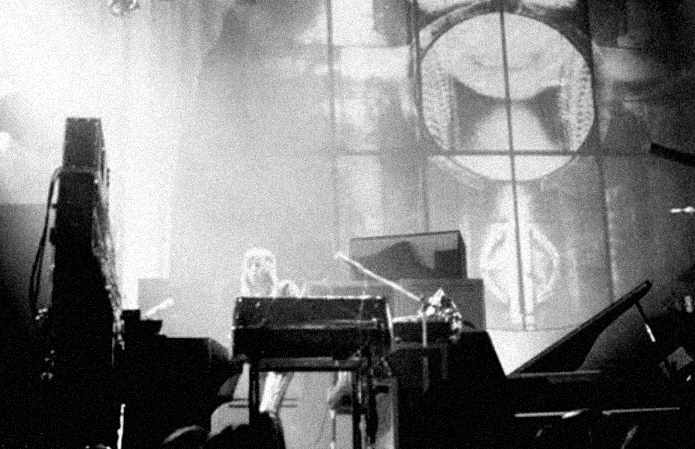
“I cannot tell a lie. I was coerced into this selection by my good friend and neighbour, Motron. ‘What do you mean there’s nothing from Brain Salad Surgery on your list? It’s only Emerson Lake + Palmer’s greatest work. What are you, a critic or something?’ Like there was no worse word he could hang on me. And he was right, sort of. Brain Salad Surgery is worthy of inclusion for its title alone, and its cover, an HR Giger original. And the music wasn’t so bad either, just a little (and a lot) overdone at times. So we get Tocatta (Keith Emerson‘s impression of Alberto Evaristo Ginastera‘s original). It’s fast, it’s fierce, it’s as nightmarish an assault as any chart-topping band of the early 1970s was capable of delivering. Or as Motron puts it, soundtrack for the inevitable attack of the meat eating robots. It is going to happen.” (Philip Random)

ELP-1973-live

547. Squarer for Maud

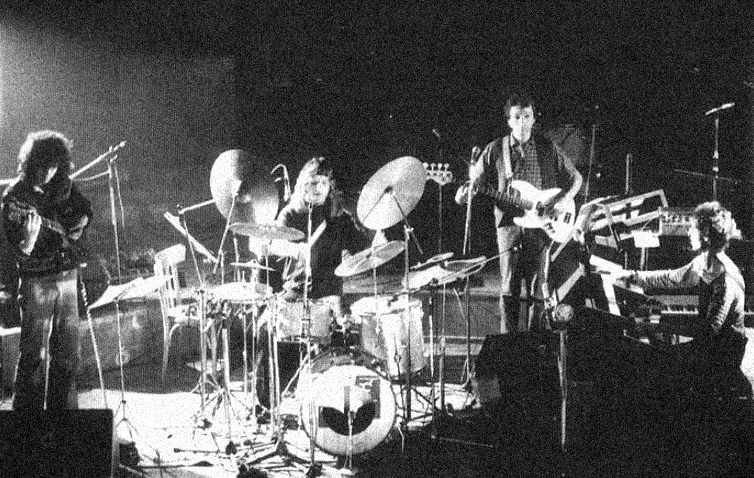
“I mostly hated so-called jazz-rock fusion at the time – so many of my fave Prog heroes getting caught up with showing off or whatever, forgetting to actually make interesting, astonishing music. But National Health (straight outa Canterbury) seemed to mostly get it right, keeping it sharp, innovative, fun. And in the case of Squarer For Maud, it even gets epic, particularly once the cello cuts loose toward the end. And then there’s that rap about numinosity (a word I’d never heard before). Of or relating to a numen; supernatural. Filled with or characterized by a sense of a supernatural presence. Now that’s my kind of music.” (Philip Random)

NationalHealth-live78

706. Icarus Ascending

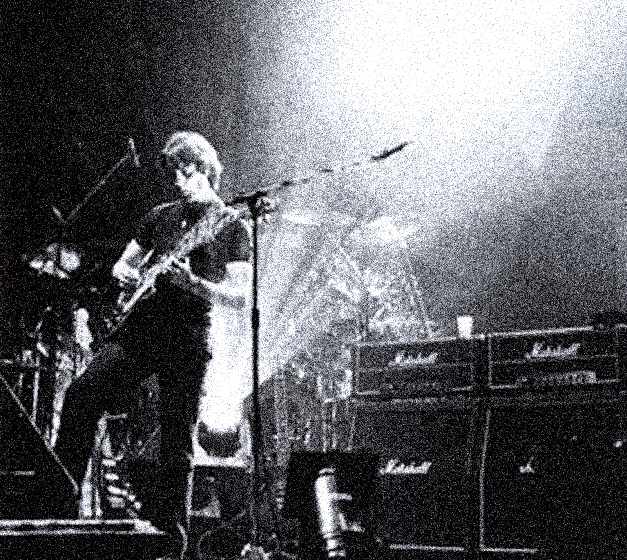
In which we are reminded that it wasn’t Peter Gabriel’s split from Genesis that condemned them (and us) to the various attainments and atrocities that would come to define them through the 1980s – it was Steve Hackett‘s. Look no further than Please Don’t Touch, Hackett’s first post-Genesis solo excursion (he was still in the band for 1975’s Voyage of the Acolyte), its epic conclusion in particular. And yes, that is Richie Havens (the hippie folk guy that saved the day at Woodstock) laying down the heavy vocal gravity.

steveHackett-1978

812. as the moon speaks

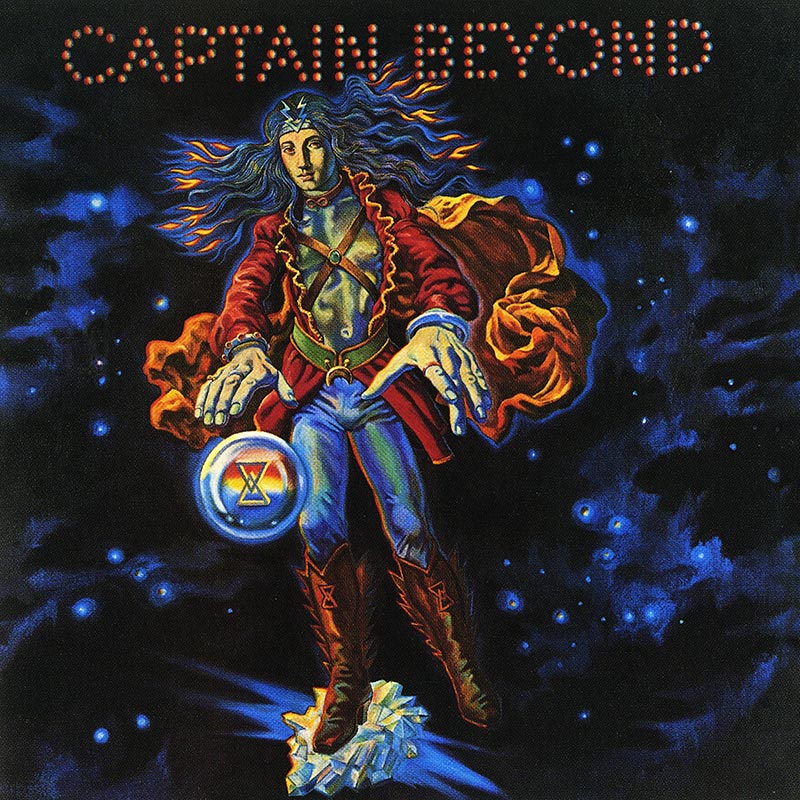
“True, the cover of Captain Beyond‘s self-titled first (and most necessary) album is at least a little silly (featuring as it does some mystical rock GOD entity standing on asteroid out in space), but everything else is pretty much rock solid, with an emphasis on the rawk (which makes sense given the Iron Butterfly and Deep Purple blood deep in the band’s veins) even as the songs have the audacity to shift tempo and time signature, and lyrically wax poetic upon the speaking of the moon. You really must listen when the moon speaks. What was it about 1972?” (Philip Random)

837. Hiroshima

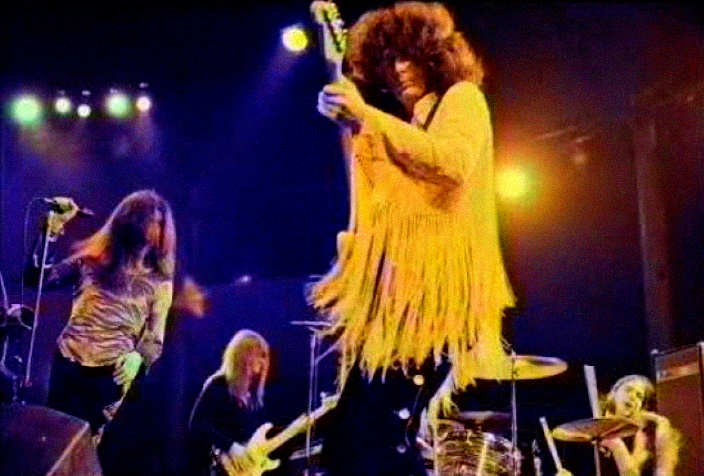
Utopia was initially formed because Todd Rundgren felt a need to rock progressively, some would argue excessively. Which was definitely the case come 1977’s Ra, their third album, with material ranging from an overlong children’s fantasy concerning a glass guitar to a genuine communion with the sun god of ancient Egypt. The singular highlight was Hiroshima, a blistering, metal-infused ode (with guitar and keyboard freakouts) to the worst split second in the history of mankind (also Nagasaki, three days later). Don’t you ever f***ing forget.

utopia-1977