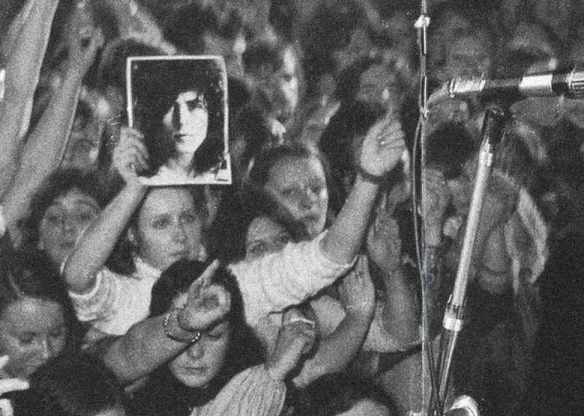
“I did hear Telegram Sam at least once way back when, and my immediate teeny bop take was, ‘this sounds exactly like that other T-Rex song‘. And I was right. But ultimately, wrong. Because what I was really referring to was T-Rex‘s groovy, funky, rockin’ one in a trillion sound. Which I didn’t really get for at least another decade, which is when Bauhaus’s rather raucous take on Telegram Sam nudged me into paying attention again. Pop for the ages, glamorous and forever cool.” (Philip Random)
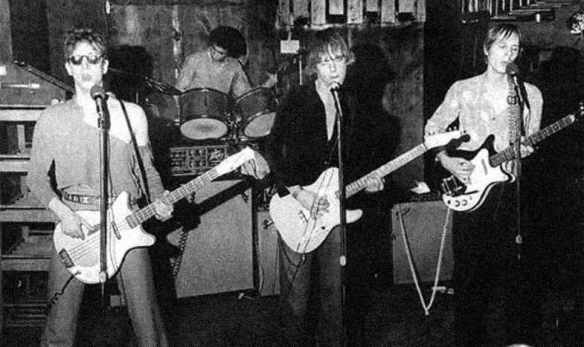
The title track from Television’s Marquee Moon is such a monster that it’s easy to forget the rest of the album, none of which is remotely average. Friction makes the list for the title alone, being such an apt description of the Television sound — that shrill, gleaming thing that happens when you rub two other things together that maybe you shouldn’t, and then you rub them a little harder and it gets even better, tearing a hole in the reality barrier that can never be fully mended, and a good thing too.
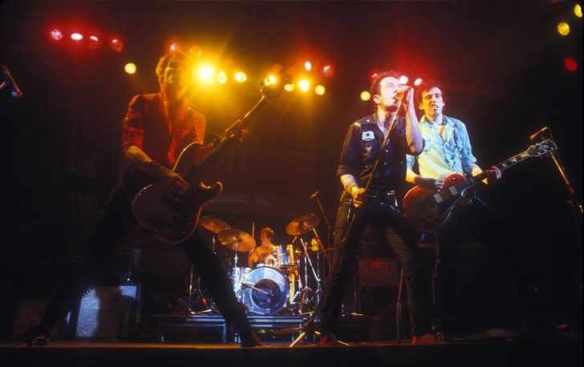
“It took me a while to properly discover Rudy Can’t Fail – probably because I wasn’t playing side one of London Calling that much. Because I’d already heard the lead off title track a pile by the time I actually owned it. And it’s not as if there was anything lacking on the other four sides, The Clash being at the absolute peak of their attainments. Anyway, a summer day, 1984 I think, a mostly empty beach on one of the local islands, me and a few friends and a ghetto blaster. All of us rich kids (sort of), none of us remotely rich, all of us at that point in our lives where we were having to start think seriously about our futures, our careers. Go to law school. Go to business school. Get into real estate. Get a job at a bank. Do whatever our dads did. We were smoking a little dope, drinking a few beers, and suddenly Rudy came on care of the current mixtape, and it was exactly what my universe needed. Something to do with freedom and art having a way better groove than f***ing economics. It’s been on the personal playlist ever since. And I never did find a career.” (Philip Random)
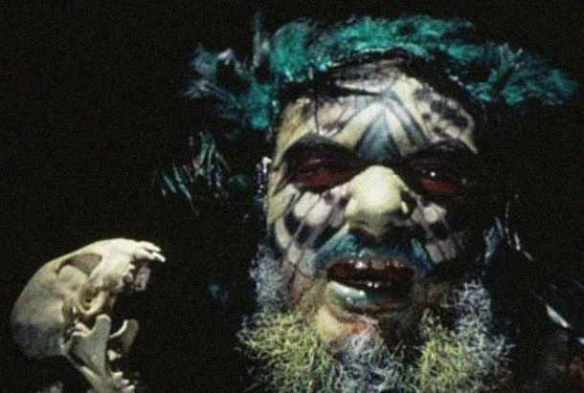
“1970’s Remedies found Dr. John in full-on Night Tripper mode, particularly on side long Angola Anthem, which someone once told me was pure evil. To which I now say, nah, but it is about an evil place, Angola Prison, Louisiana (the Alcatraz of the South), the kind of place that hardened criminals would break down at the mere mention of, because doing time at Angola was a journey to the nightmarish past, the days of slavery. I don’t think Dr. John (aka “Mac” Rebennack) ever did time there himself, but a little research reveals he did do some federal time in Texas, so the feeling is he must have heard some stories. So yeah, welcome to those nightmares.” (Philip Random)
“No, this is not The Cure advocating hate crime. It’s an examination of existentialism, as spare and unflinching as the French novel that inspired it. That said, we did play Killing an Arab a lot on radio during that first Gulf War. Late winter, early spring 1991, tens of thousands of Arabs being killed for no particular reason, except maybe keeping prices down at the gas pumps. Doesn’t get much more existential than that. I haven’t owned a car since.” (Philip Random)
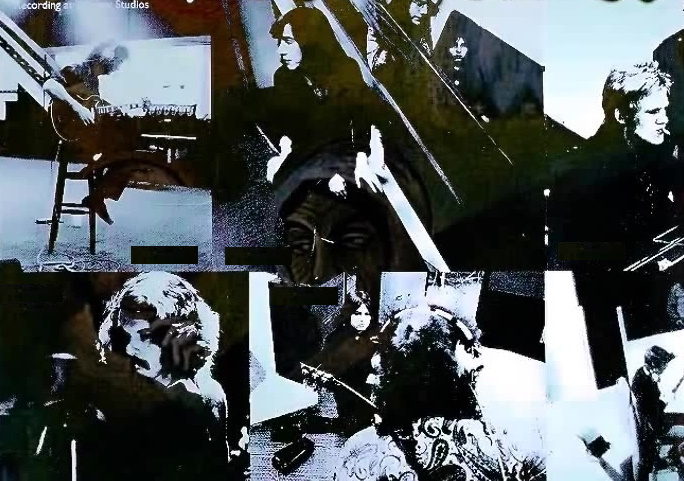
Second of two in a row from the same King Crimson 7-inch single, though Philip Random first heard both Groon and Cat Food via the 1976 compilation Young Persons Guide to King Crimson. “I still get a chuckle at the thought of a track like Groon being allowed anywhere near a record with pop ambitions. Not that it actually charted or anything. Just the idea of it. And the execution. King Crimson being not just one of the brainiest outfits ever (care of main man Robert Fripp), but also one of the best in terms of pure chops and articulation, regardless of who was in the line-up at the time. Subsequent live versions of Groon would prove to be longer, deeper excursions, but I’ve always preferred the original’s tighter, sharper, more compact assault.”

 Randophonic