206. Maybe the People Would Be the Times or Between Clark and Hilldale

https://www.youtube.com/watch?v=6vI4FmyWhlA

“Second of two in a row from Love‘s 1967 masterpiece Forever Changes, because it really is an album (as opposed to a collection of songs). Or as an ex-DJ friend once put it – ‘I find it hard to put tracks from Forever Changes in a mix, because they always work best next to each other, as part of the intended flow.’ And these songs aren’t exactly out to take prisoners, not obviously anyway. They’re just content to work a warm and consistent and slightly hazy (perhaps smoggy) LA vibe of heartbreak and beauty and colours forever changing and whatever else it is that Arthur Lee‘s singing about. With titles like Maybe the People Would Be the Times or Between Clark and Hilldale, he’s clearly singing about everything. But love most of all.” (Philip Random)

Love-1967-posing2

207. alone again or

“I don’t believe I heard Love’s Forever Changes until at least the 1990s. Not consciously anyway, because it is the kind of album that might’ve just slipped by. Not for any inherent weakness so much as its subtlety and, I guess, its timelessness – its strings and horns and multicoloured melodies and mysteries. It may have come out of Summer of Love Los Angeles, but heard in the background at a café or from the next room at a party, it could be almost any decade (since the 1960s anyway). As for Alone Again Or, it’s all in the title, I guess. Not so much a love song as a lack of love song, yet there is still hope. It is 1967 after all.” (Philip Random)

Love-1967-posing

208. major malfunction

January 28, 1986. The Space Shuttle Challenger and all on board explode across the consciousness of the world, America in particular. Before the year’s out, Keith Leblanc (drummer, mad scientist, co-inventor of the various grooves that pretty much set hip hop free), will release an album called Major Malfunction, the title of track of which is driven by all manner of relevant audio samples from the day. No sad piano, no violins. Just evidence. Welcome to the future, it seems to be saying. Like a disaster movie with human error the cause.

KeithLeblanc-MajorMalfunction-crop

209. kicks

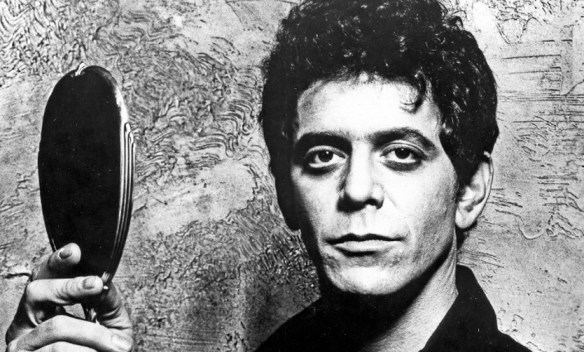
In which Lou Reed delivers the amphetamine kicks all night long (and probably the next day too, and then maybe another night and day, and at least one more night). Speed doesn’t kill, or so I’ve been told, it just makes you so crazy somebody kills you for being such an asshole. Either way, I’ve been happy to mostly avoid it over the years. But some of the postcards have been fascinating, particularly when it’s somebody like Mr. Reed doing the sending … or Bob Dylan for that matter.

LouReed-1976-mirror

(PHOTO: Getty Images)

210. broken arrow

Wherein young Neil Young, still just a member of Buffalo Springfield, hears the Beatles Sergeant Pepper’s and responds with an epic piece of something or other. It starts with a live snatch of one of the other songs from the album, slips sideways into various surreal reflections on this-that-other things, finishes up with some honky-tonk piano that just sort of fades away into a heartbeat. It’s all definitely about something, which in 1967 was all you really needed.

NeilYoung-1967-profile

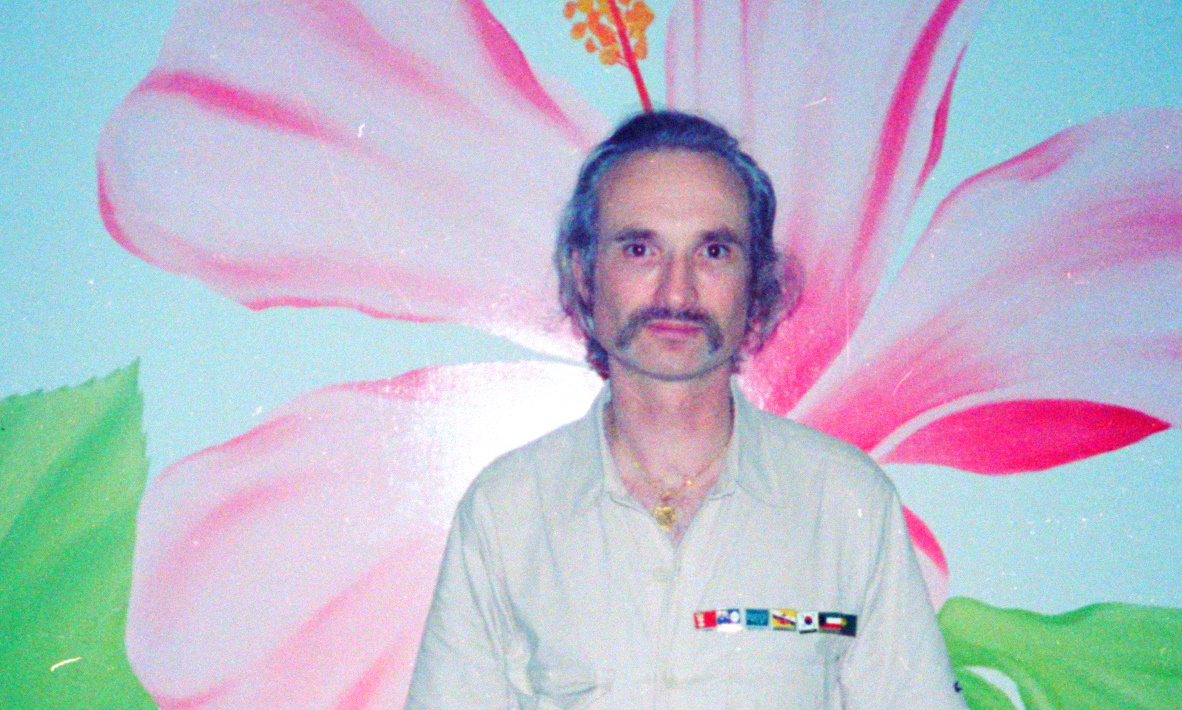
211. Persian Love

“The only reason why Holger Czukay’s Persian Love isn’t way higher on this list is because many people have already heard it, even if they couldn’t really tell you when or where, or who for that matter. It first came to me via Music + Rhythm (Peter Gabriel’s 1982 Womad compilation). Exotic, sweetly melodic, modern — it instantly hooked me, and thus I had to know more, and there was a lot to know. Because, it turns out Holger Czukay came from an obscure German band called Can … and so on. One of those journeys that started small, but damned if didn’t lead me to a vast mansion of musical (and thus human) possibility: doors within doors within doors, and they all kept inviting me deeper, higher. And somewhere along the way, I got the back story on Persian Love itself – how Mr. Czukay constructed it around a fragment of song he’d recorded from shortwave radio. Like a ghost … out of ancient Persia.” (Philip Random)