439. it was a very good year

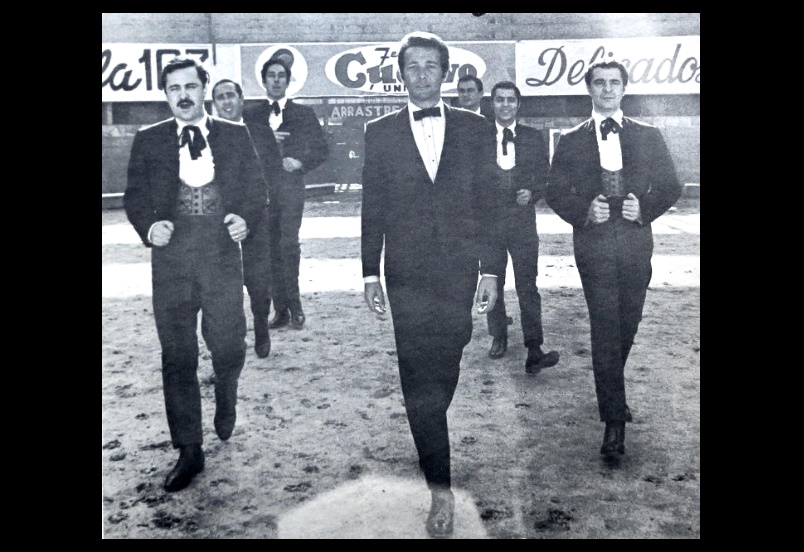
“We’ve all gotta start somewhere. Before I got seriously hooked by the superlative noise of rock-roll-psyche-whatever-you-want-to-call-it (sometime safely before my tenth birthday in the form of The Beatles Revolution the shorter, sharper, nastier version), I only really cared for one so-called pop album: What Now My Love, a 1966 chart topper from Herb Alpert & The Tijuana Brass (who weren’t from Tijuana, they weren’t even Mexican). Because it was the only halfway modern slab of vinyl in my parents’ collection. And now it’s in mine, the same original copy (proudly slotted between the Allman Bros and Amon Duul), because it’s actually pretty darned fine in a sangria-soaked suburban backyard barbecue sort of way. Smooth Latin rhythms and sunny day melodies and occasional gushes of rapture like the part at the end of It Was A Very Good Year when the strings come swooping inward and upward, announcing to this six or seven year old that this music stuff was way more than just fun, it was genuine magic, the stuff of the gods.” (Philip Random)
440. searching for Madge

The Fleetwood Mac story is long and confusing if nothing else. We all know the stuff that made them mega-rich and cocaine famous, but there’s an entire decade that precedes all that, and deep it goes, often with completely different singers and players working entirely different worlds and angles. Except the rhythm section, Mr. Fleetwood and Mr. Mac. You might even say the original line-up isn’t just the best Mac, they’re one of the best damned bands EVER, with guitarist Peter Green spearheading things, taking the old school blues, amplifying and psychedelicizing them, giving us stuff that barreled along at least neck and neck with what guys like Eric Clapton and Jimmy Page were doing at the time. 1969’s Then Play On is the key album, capturing not just the breadth Mr. Green’s genius, but also hints of the psychosis that would soon tear him apart. Beautiful and gone, lost to ozone whilst Searching for Madge.

441. total trash

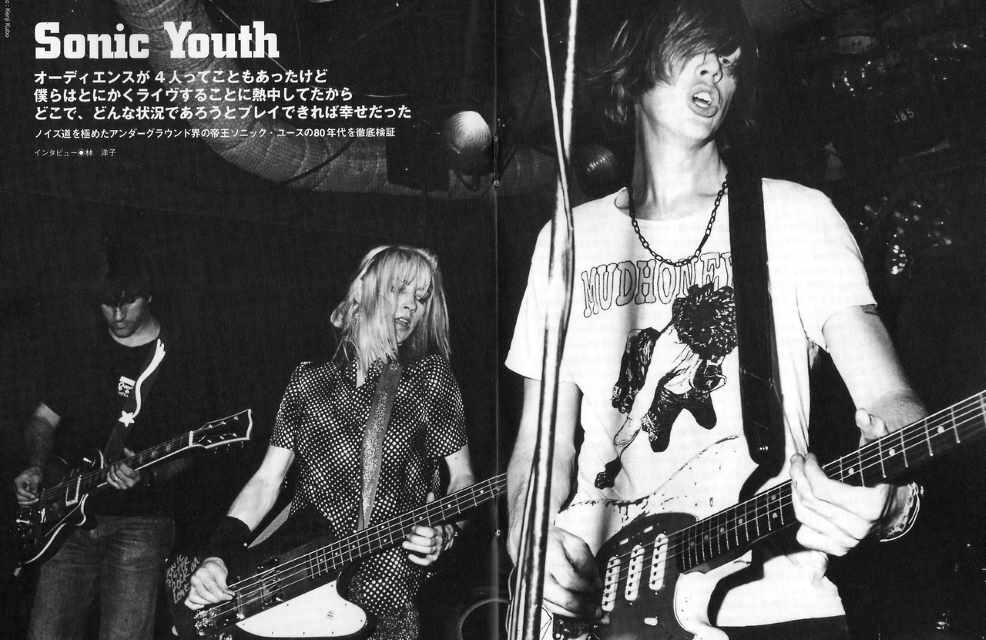
“The song part of Total Trash is cool enough, but part two is what makes it essential – the noise part, what happens when the various rules of music break down and pure escape velocity takes over. I remember seeing Sonic Youth perform this live in maybe 1991 and having one of those profound and prolonged WOW moments that I can’t help calling religious. I remember thinking, they aren’t really playing this music, they’re just channeling it, deflecting it, aiming it, wrestling with it. It’s like they’ve punched a hole in a cosmic dike and suddenly it’s all just about containment. But not even that. Because this kind of flood can’t be contained. All you can really do is ride it, keep moving, keep playing, because if you don’t, you’ll get dragged under, and where’s the glory in that?” (Philip Random)

SonicYouth-1988-live

442. Virginia Plain

More or less perfect modern pop from a more or less perfect moment in modern pop-time. Which is to say 1972, glam eruption. Except it’s wrong to classify or date Virginia Plain (or Roxy Music for that matter). Virginia Plain defies genre. It just is. Three minutes of pure, strange, driving fun. And thus a reason to live. Because you never know what’s going to happen next.

443. this is the day

“It’s all there in the first couple of lines of This is the Day, the story of my life, summer 1983: Well you didn’t wake up this morning ’cause you didn’t go to bed – You were watching the whites of your eyes turn red. Maybe 5AM, looking myself in the mirror after way too many mixed up hours of mixed up partying, imbibing, whatever. The song spoke directly to me, Matt Johnson and his burning blue soul joining me in my young adult mixed up pain and ecstasy, telling me I wasn’t alone, wherever the hell I was. Melody was pretty much perfect, too. The whole album really.” (Philip Random)

444. this time tomorrow

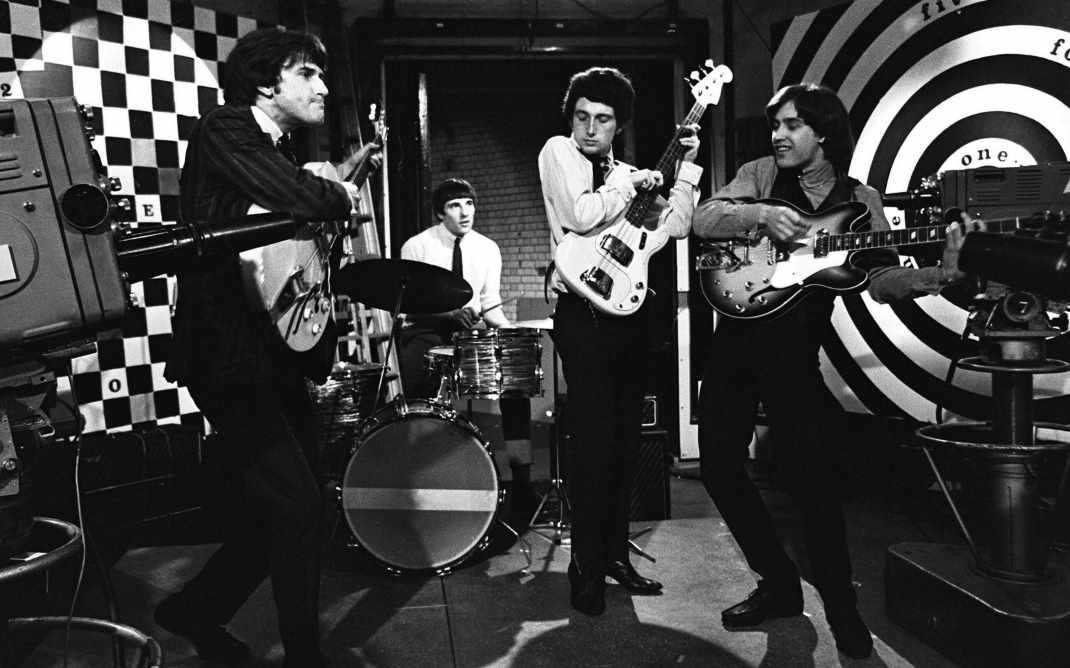
“I still get into this argument. The Kinks are great, no question, but they’re not Beatles- Stones-Who-Led-Zeppelin great, mainly, I guess, because they never truly cut it as an album band, certainly not that consistently. And yet, their 1970 long-player Lola vs the Powerman + the Money-go-round Part 1 (now there’s a mouthful) is the only place you’re going to find This Time Tomorrow (on original vinyl anyway). Because it never got a single release, never showed up on any Best Ofs. Which means, you do need to own that vinyl, because if you’re anything like me, it will save your life for a week or two in late winter 1996, give glue to a world that is otherwise not holding together.” (Philip Random)

Kinks-1970-TVstudio