127. Sister Ray

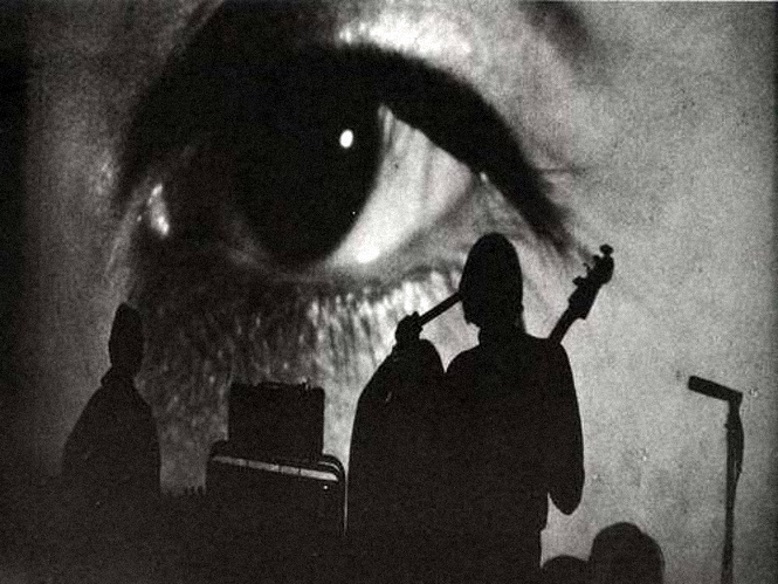
“Second of two in a row from the Velvet Underground, with Sister Ray likely to hit many as more weaponry than music, or as a DJ friend once put it, some songs you play for people, some you play at them. Either way, it’s a seventeen-plus-minute argument for A. how willfully out of step the Velvets were with pretty much everything else that was going down at the time (1968), and B. how brilliantly, thunderously, violently ahead of that time they were. By which I mean, the world needed Sister Ray. It just didn’t know it yet. At least, that’s how it worked for me. Discovered maybe fifteen years after the fact, mucking around through the bowels of a radio station‘s record library, educating myself. And I ain’t gonna lie. The extreme length was a particular selling point because not only did it force the limits of what we called The Reality Barrier, it also gave one time to cover a prolonged smoke or bathroom break – all the prog-rock epics of yore still being frowned upon in those contentious, battle weary days of the so-called Winter of Hate††.” (Philip Random)

(image source)

129. Supper’s Ready

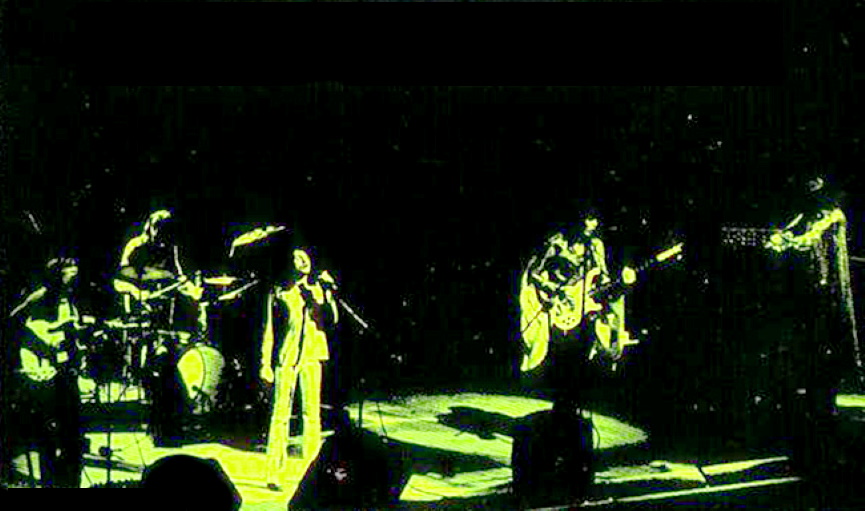
“Speaking of Peter Gabriel, if I’d compiled this list in say 1979, Genesis would’ve been all over it (particularly their Gabriel era stuff), with Supper’s Ready likely right on top, certainly in the top three. But such is the nature of this culture stuff. It won’t stop twisting, turning, swallowing its own tail, vomiting it all back up, eating it again. In other words, I grew kind of allergic to Supper’s Ready for a while, an affliction for which I only have myself to blame. I loved it too much, wanted too much from it. A song about everything. A song very much about the Apocalypse — Pythagoras with a looking glass, the beast 666, the guaranteed eternal sanctuary man, Winston Churchill dressed in drag, and ultimately the new Jerusalem, good conquering evil, an angel shouting with a loud voice, souls rising in ever changing colours, as a germ in a seed grows, like a river to the ocean, and so on …

Epic stuff ripped straight from the Bible itself, but not without a serious dollop of absurdist fun. The weird part is, I didn’t even hear it until 1977 (five years after it first showed up on the album known as Foxtrot, two years after Gabriel had split the band) by which point there was a punk storm blowing nasty and vindictive. But that was me in my late teens, as uncool as I’ll ever be, and yet life has seldom seemed so rich, the smorgasbord so alluring. Except then I had to go and eat way too much. Which gets us to the title finally. Supper’s Ready. Apparently it’s a reference to the very end of the Bible†, the final scene of the book of revelations (and here I’m sort of quoting my late friend James who used to study this kind of stuff before he decided life just wasn’t worth the trouble anymore). Apparently when all is said is done, Satan vanquished, Christ triumphant, God’s kingdom established here on earth, there will be a huge feast to which all the worthy, the sainted, the blessed, the good are invited. Apparently, it will be one heaven of a feed. But in the meantime, we’re all doomed to just keep on keeping on.” (Philip Random) 

(image: Armando Gallo)

149. downpayment blues

“When AC/DC first hit my particular suburb, I was in my late teens and fully committed to the sinking ship that was known as Prog Rock, after which I grabbed some wreckage that washed me ashore on the island known as punk, new wave etc. Because hard rock, heavy metal, riff rock – that was for little kids as far as I was concerned. I was wrong, of course. Because jump ahead a decade, I’m almost thirty now and in no way measuring up to any of the adult expectations that anybody ever had for me (my parents, my teachers, myself even) and among many other unexpected diversions, I’m finally ready for the genius that is-was-will-always-be AC/DC. Honest, direct, maybe a little evil, always piledrivingly on the nose whether deliberately hellbound or, in the case of Downpayment Blues (from Powerage, the second last studio album of the Bon Scott era), just slacking off, drinking cheap swill, doing nothing with a vengeance. Or as somebody put it in Slacker† (the movie) a few years later, ‘… withdrawing in disgust should never be confused with apathy.’ Words to live by.” (Philip Random)

288. Dharma for One [live]

The band known as Jethro Tull blew things wide open in 1972 with a single 43 minute song/concept album that hit #1 everywhere from Denmark to Australia to the Americas, even Vietnam. Which suddenly meant that Ian Anderson and the band could do pretty much anything they wanted career wise, including the release of a double album of (mostly) unreleased stuff from the previous four years and four albums of their career (so far). Living in the Past it was called and full of odd gems it was including a live version of Dharma For One which initially showed up as an instrumental on their first album but come the concert trails of 1970 had picked up some lyrics and otherwise expanded and evolved into a longer, wilder, more progressive beast indeed. The word gobsmacking comes to mind, though the drum solo does go on a bit.

JethroTull-1970-liveCarnegie

325. perpetual change

“There is absolutely nothing wrong with the original 1971 studio recording of Yes’s Perpetual Change. It just doesn’t go as far as strong as gobsmackingly wow!!! as the 1972 live recording that showed up on the triple live set Yessongs. Because they really do set the atmosphere on fire here, one of the last tracks ever recorded with drummer Bill Bruford, so yeah, the classic Yes lineup (my version of it anyway), which does need to be raved about if only for that point maybe halfway through Perpetual Change where the band are effectively playing two completely different songs at the same insane time, and it works, finally blowing off into a feedback overload that quickly segues into a Jon Anderson vocal harmony, and then BAM!!! into an extended outro, the tightest band on the planet at the time (seriously, even Led Zeppelin had to be looking over their shoulders in 1972) bouncing back and forth from improvised bits to insanely abrupt changes, on and on, higher and deeper until the only real flaw, which is the overextended drum solo (not bad, just not necessary). As a musician friend once put it, Perpetual Change is the secret to everything that was great about Yes, because they were perpetual change (up until around 1975 anyway), not just evolving from album to album, but within the songs themselves. Everything was possible and they had the smarts (and the chops) to make it so.” (Philip Random)

335. father of night, father of day

https://www.youtube.com/watch?v=YDqVURC1YR4

Manfred Mann’s Earth Band being an example of a darned strong outfit that never bothered much for hype or glory, particularly in their early days, but rather just put everything they had into the music. In the case of Father of Night Father of Day, that meant taking a sub two minute Bob Dylan acoustic throwaway about the glory of God etc and electrifying it, amplifying it glorifying until it was almost ten minutes long, and miles higher. The whole album’s a killer by the way, 1973’s Solar Fire. The Roaring Silence got all the sales and notoriety three years later because it contained Blinded By The Light, but Solar Fire is superior by orders of magnitude, the definition of a rock that was progressive, and at a time when that still mattered.” (Philip Random)