854. the life auction

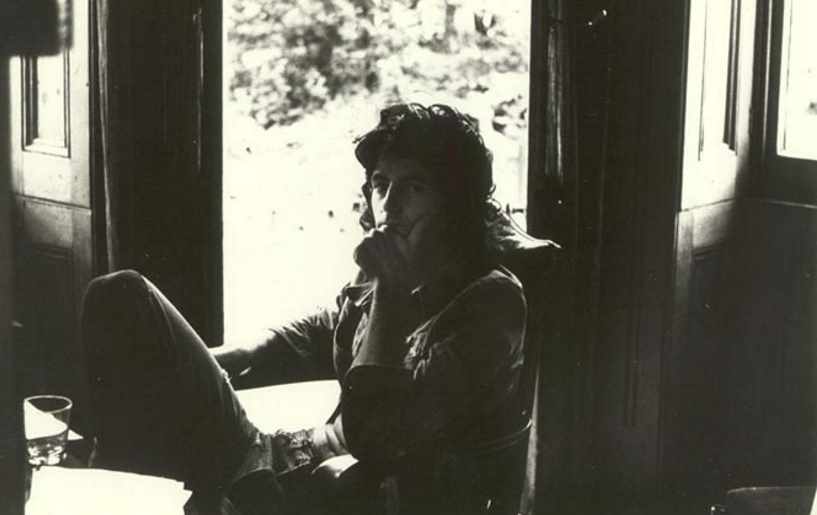
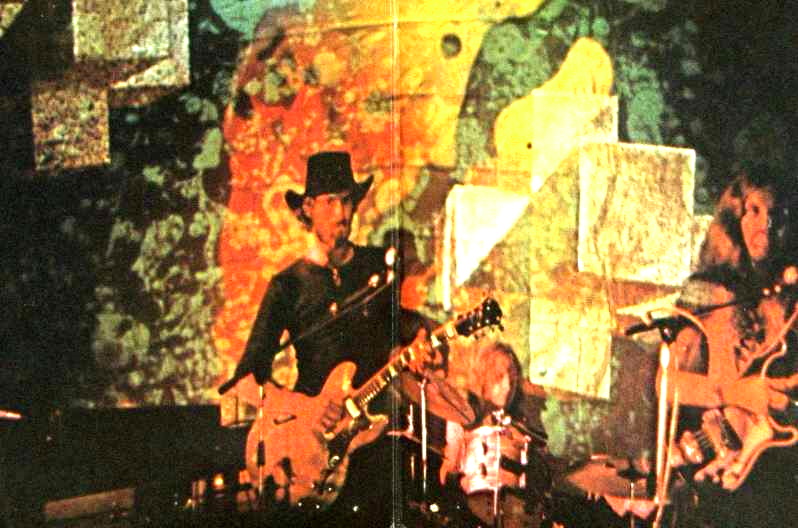
The Strawbs started out as a folk band in the 1960s, but somewhere along the line, things started getting so-called progressive, which Rick Wakeman‘s stint on keyboards only accentuated. But even after Yes scooped him up, the Strawbs continued with the progressing and expanding, and nowhere so seriously, intensely, psychedelically as The Life Auction, found on 1975’s Ghosts. It’s tea time, the middle of England somewhere (or maybe just some drab Canadian suburb) and the acid you dropped an hour or so back is finally kicking in hard, the truth about everything revealed in the polluted haze of another diluted day.

(photo: Steve Jepson)

926. little neutrino

“If you were there at the time (1976), the first you heard of Klaatu likely came in the form of rumour. They were the Beatles secretly reunited, with the clues all there if you just did a little digging. It was bullshit, of course, and thank God, because the album really wasn’t that good. Rather like what you would’ve gotten if Paul McCartney had rediscovered LSD and tried to do another Sergeant Pepper’s, but all alone this time, and maybe drinking copious amounts of vodka spiked cream soda on the side. But the last track was a keeper, something to do with split atoms, I think, and the wrath of gods thus unleashed.” (Philip Random)

942. imperial zeppelin

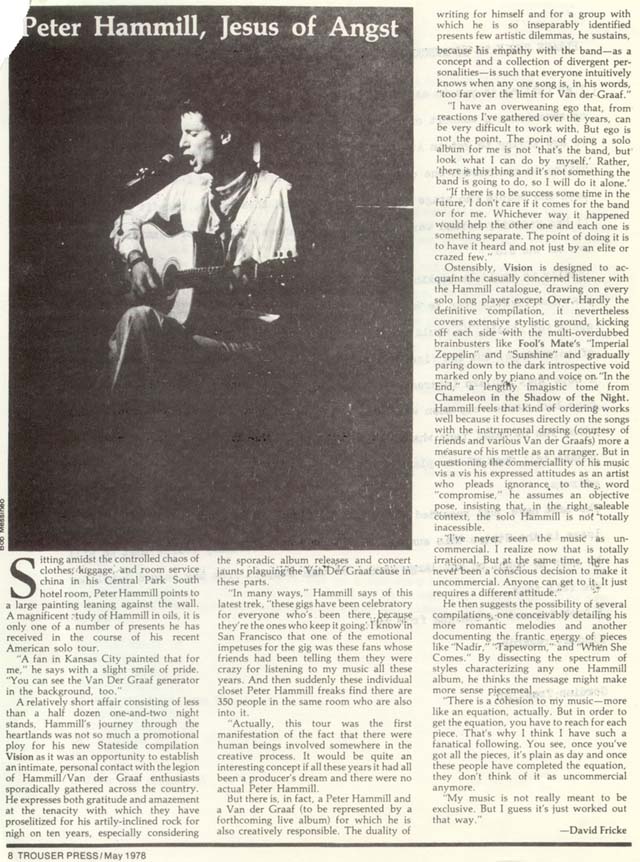
Peter Hammill (aka The Jesus of angst) actually has fun here in a track from his first solo album Pawn Hearts. Dating back to 1971 (the same year that Hammill’s band Van der Graaf Generator called it quits for a while, though they would return to further trouble our dreams), Philip Random wouldn’t actually hear Imperial Zeppelin until at least 1979 at which point it quickly became a key part of the soundtrack to his short, albeit rich “tea drinking period”.

peterhammill-1971

949. remember the future [part 1]

Nektar being one of those so-called prog bands that never quite made it over here in the Americas. Maybe because they were from Germany, and how many German bands made it in the 1970s? But they were English actually – they just met in Germany and ended up staying there. Maybe it was their live show, a little too ambitious and unwieldy to travel well. Or maybe they were just too musically out there, as they perhaps were with the entirety of Remember The Future a full album concept concerning a blind boy and an alien and everything, really. So we only have Part One listed, the first side, the better side.”

1037. Heavy Horses

Jethro Tull main man Ian Anderson was nothing if not level-headed come 1978.  While many of his fellow formerly cool rock star types were scrambling (often pathetically) in attempts to reinvent themselves as somehow edgy and relevant in the face of punk rock etc, he just told it like it was — that he was more concerned about his farm up in Scotland than the state of the zeitgeist, the big horses in particular. The album in question may have seemed a throwback at the time, but over time, its mix of folk and rock elements has come to feel more timeless than anything.

1043. white rock

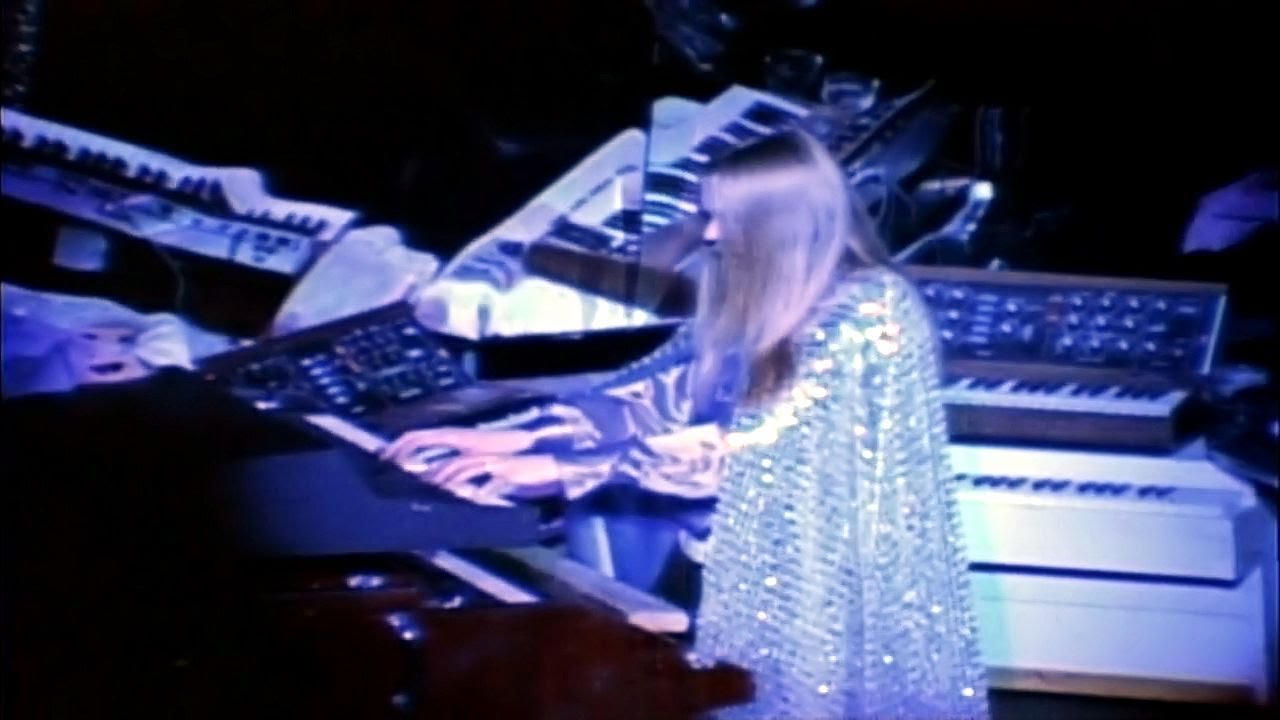
Rick Wakeman (wearer of shimmering capes, keyboard master from prog rock superheroes Yes) never played a bum note, which unfortunately didn’t guarantee a brilliant solo career. Except occasionally, as with White Rock which was required listening whenever the parents were out and you could finally crank the stereo as the gods intended, put those woofers to test. Found on the soundtrack from a movie of the same name concerning the 1976 Winter Olympics that nobody ever saw.

(photo: Morrison Hotel Gallery)