Orchestral Manoeuvres in the Dark being one of those outfits that would be very easy to ridicule (hate even) for their name alone, except they rather lived it up to it. For the first few albums anyway. Architecture & Morality (their third) hit big in the UK, and deserved it, working a cool mix of pop and noise and ambient options, with Joan of Arc (Maid of Orleans) managing to do it all in four minutes and change.
“Two in a row from way the hell back in the U2 story (and as eventually found on the R.O.K. 12″), way before all the fame and riches and boredom. My boredom, that is. I blame Joshua Tree. Though I guess it wasn’t the songs so much as the environment. U2 just weren’t as good anymore in those huge stadiums. Give me the Commodore Ballroom any day, 1981, three dollar ticket, maybe a thousand curious punks and new wavers. I’m pretty sure they did Eleven O’Clock Tick Tock as the encore that night, and the whole show actually began with The Ocean. But either way, the place went mad. Or as a friend said at the time, it’s like they weren’t playing songs, they were playing us, the audience. The songs were what we sounded like. He’d dropped acid.” (Philip Random)
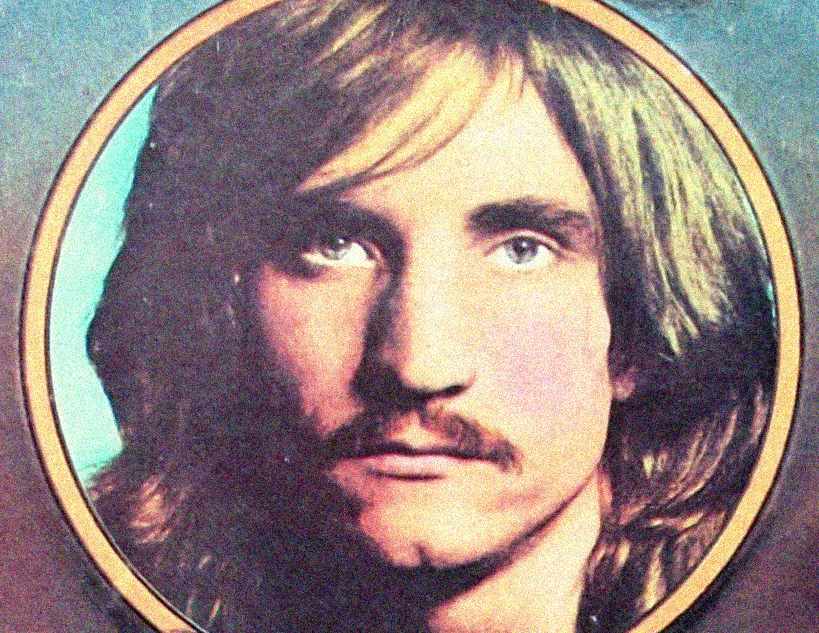
“Joe Walsh tends to get conveniently filed away as the fun loving stoner guy who eventually got scooped up by the Eagles and then whatever. But that misses the point that The Smoker You Drink The Player You Get is one of the genuinely best American albums of its time, and thus of all time, because albums are where it was at in 1973. The big hit was Rocky Mountain Way (speaking of fun loving stoner rock), but my fave will always be Meadows, one of those songs that sent this very young man wild and free, running through fields, leaping old stone walls. Dreaming about it anyway, as I was mostly stuck in suburbia at the time. Nice melody, killer guitar riff, but it’s the drums that still send me, the way they come crashing in like a flash flood, the kind that saves your life rather than ends it. Hallelujah.” (Philip Random)
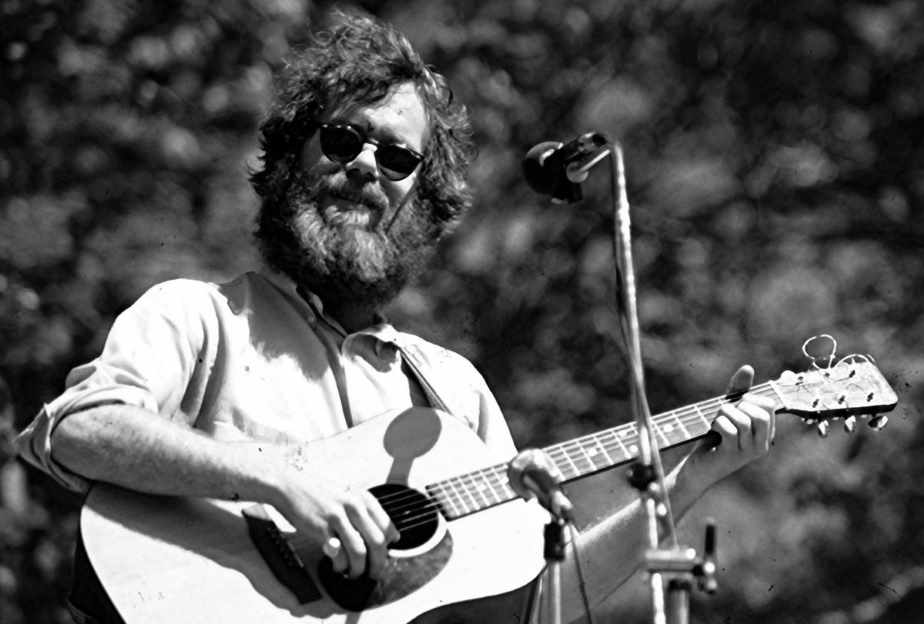
“In which Loudon Wainwright III waxes poetic about leaping bravely into the river, the lake, the ocean that is all life, the universe, everything … and not sinking. Or maybe it’s just about tossing yourself into a chlorinated pool and working on your strokes. I mean, this is the guy whose monster hit of the previous year was about a dead skunk and how bad it smelled. Great stuff either way.” (Philip Random)
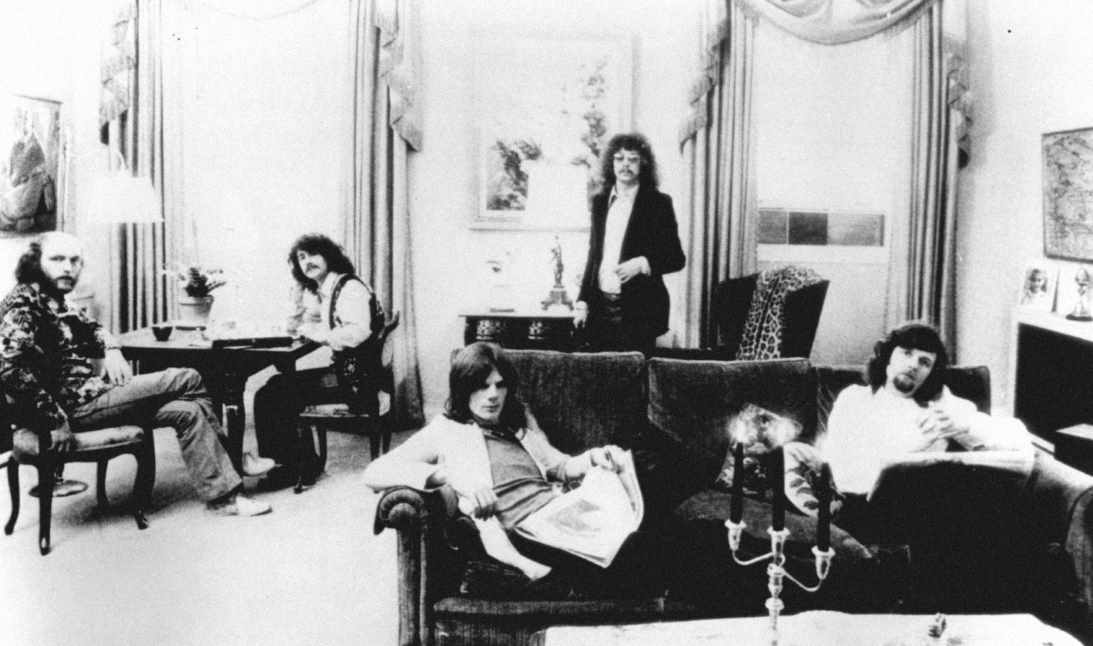
“As the story goes, Strawbs main man David Cousins was rather choked at losing keyboard whiz kid Rick Wakeman to Yes. So, as was popular at the time, he consulted the Classic of Changes (aka the mystical I-Ching), which gave him a few lyrics if nothing else. ‘Humble must he constant be, where the paths of wisdom lead, distant is the shadow of the setting sun‘. Good enough for the lead-off track from 1972’s Grave New World, which I’d say was their best album, as if losing Wakeman had lit a fire under them. They’d prove the bastards wrong. They’d expand the known universe without him. And they did, even if hardly anyone noticed. One of the best damned bands most people have never heard of, let alone heard.” (Philip Random)
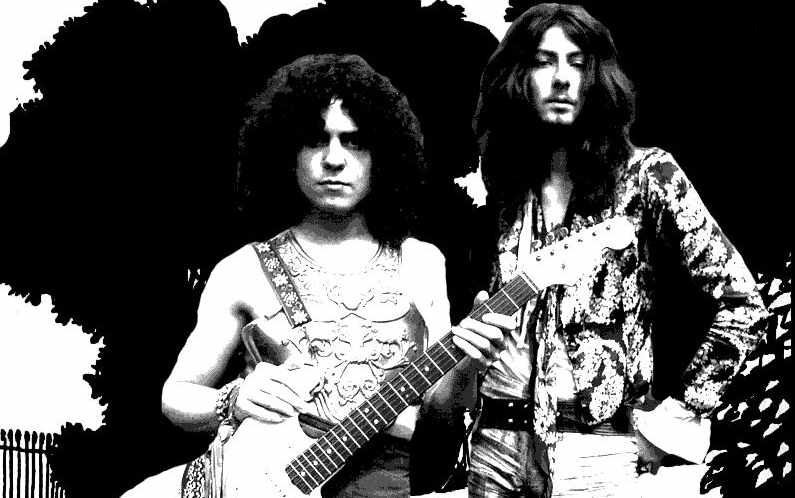
Apparently this is the first time Marc Bolan really rocked out on record. The band was still called Tyrannosaurus Rex at the time, and despite the name, a comparatively lightweight outfit – too much flowers and fine herbs, not enough thunder and rumbling. But that had to change. The 1970s were looming, the acid was wearing off, the hippie dream was much further away than it had previously seemed. Maybe it had never been there at all. Just another storybook fantasy.