634. hot burrito #1

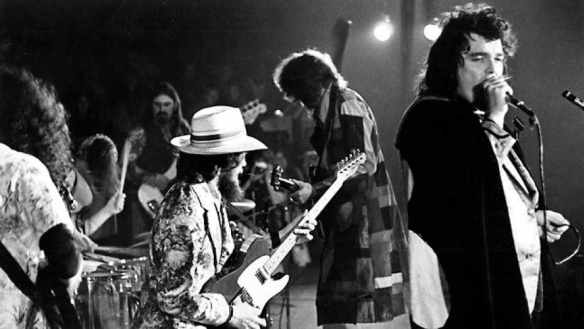
“It must’ve felt very weird when the Flying Burrito Brothers first hit in 1969. Out of all the psychedelicized weirdness and envelope smashing wildness of the previous years comes … country rock!?!? My friend Motron’s theory is that it was all tied to the assassination of Martin Luther King – that up until springtime 1968, the big dream of All You Need Is Love was alive and well and thus the white man’s pilfering of the black man’s music was all just part of the shiny happy game. But after that – it just didn’t feel right anymore. And thus Nudie suits and pedal steel and so-lonesome-I-could-die ballads suddenly felt somehow relevant – the white man’s soul music, as it were. Bob Dylan, of course, was ahead of the game as usual, but it took Gram Parsons and crew (by way of the Byrds) to really make it a fact. And it’s all there on Gilded Palace of Sin – one of those albums that truly does not have a weak moment.” (Philip Random)

FlyingBurritoBros-1969

635. click clack

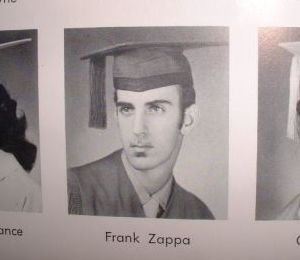
In which the good captain (Beefheart, that is) kicks out more of those blues so authentic it can only feel surreal to hear them coming from a white man. But then you actually listen to what’s going on and you realize, this isn’t authentic at all. It’s mutant, working curves and angles that feel positively alien. Of course, he did go to high school with Frank Zappa. Which raises the question, who the hell else went to Antelope Valley High back in the day?  And what was in the water?

CaptainBeefheart-1972

636. go up Moses

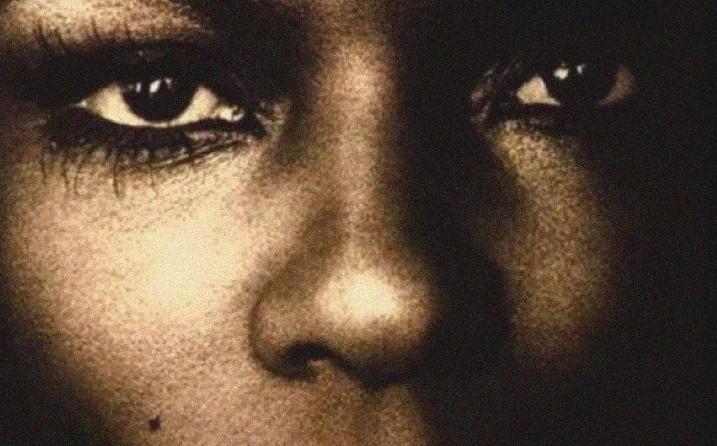
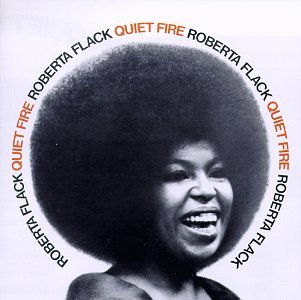
Roberta Flack had a huge hit in 1972 with First Time Ever I Saw Your Face, a soft, slow mover that was so good even twelve year old white bread suburban me couldn’t help but pay attention. Which is how I eventually ended up with Quiet Fire. Spotted maybe fifteen years later at a yard sale (hard to miss that hair on the cover). How could it not be worth a buck (or whatever)? But it wasn’t a slow mover that hooked me, it was lead-off track Go Up Moses, biblical, revolutionary and groovy, and co-written by the Reverend Jesse Jackson. Pharaoh Must Go!” (Philip Random)

637. A Passion Play

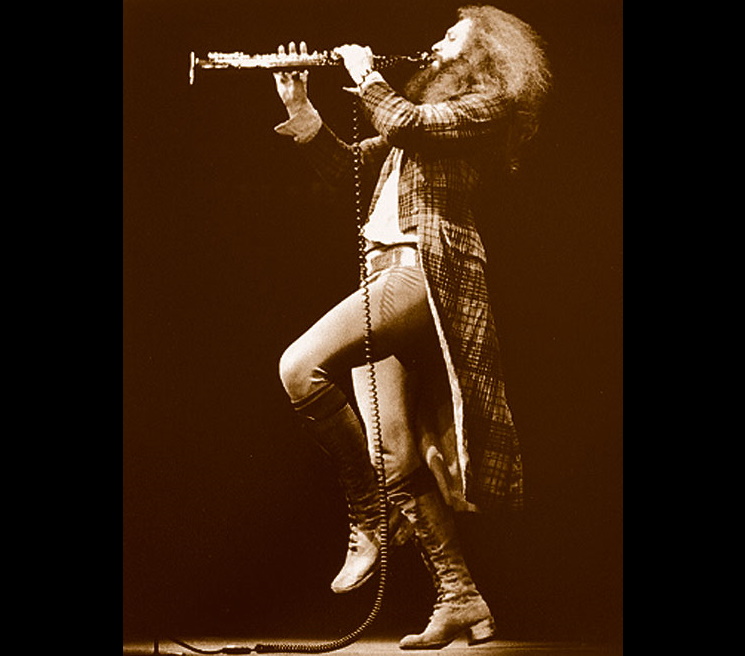
“It seems insane to even think about it now, but in 1972 Jethro Tull conquered the world with a 43-minute-44-second song called Thick as a Brick that comprised the entire album of the same name. Adventurous, dense, continuous, it even half made sense, both musically and lyrically. So what did Ian Anderson (Tull main man) and his talented crew do for a follow-up? Another album long song, this one called A Passion Play, which proved even more dense and adventurous than Thick As A Brick. And I’m still trying to figure it out. Actually, that’s a lie. I gave up a long time ago, because as a friend concluded, ‘Man, you’ve gotta be Ian Anderson’s f***ing brain to know what any of that’s supposed to mean.’ Which doesn’t mean I ever stopped listening to it. I guess I just pretend I’m Ian Anderson’s brain for a while.” (Philip Random)

(image source)

638. musicione

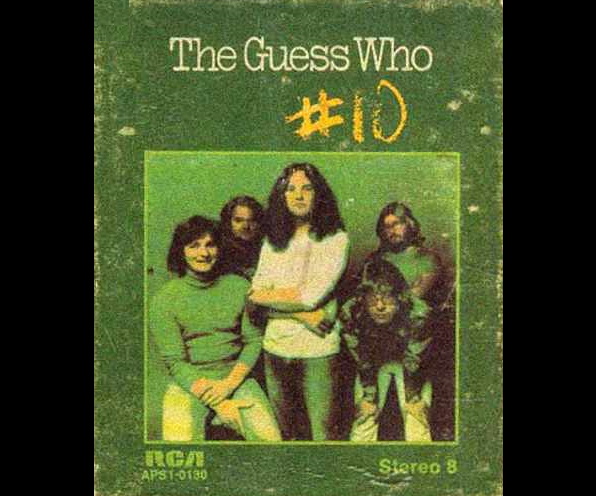
By 1973, The Guess Who were mostly on the wane, certainly as a commercial force. Randy Bachman was long gone, and what had been a outfit that couldn’t seem to help cranking out the hits now seemed more interested in just being an improper rock ‘n’ roll band, drinking and drugging and whoring around. Which doesn’t mean the music was dead – you just weren’t hearing it that much on the radio anymore. Musicione for instance. A smart rocker with a loose jammed-out feel that ends up feeling like a hymn toward something or other. Who makes the music when you die?  Somebody else, obviously.

639. the golden age of rock and roll

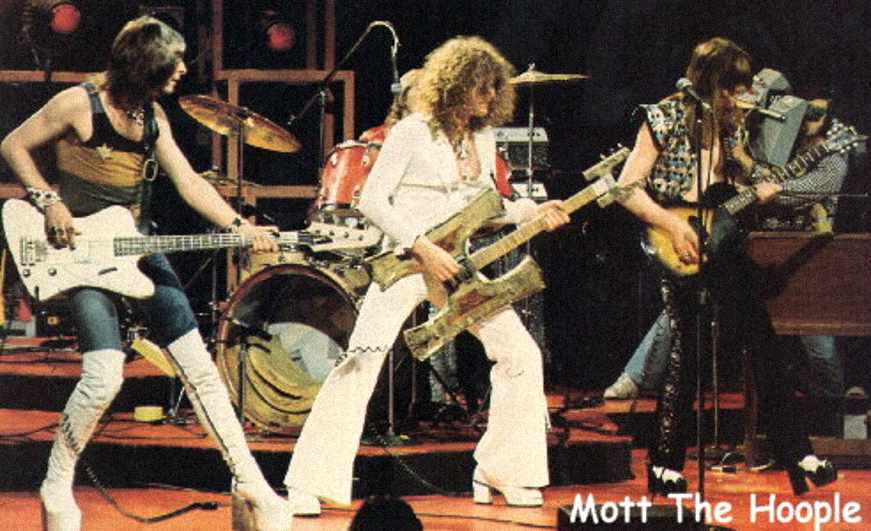
“I hated the golden age of rock and roll when I was a young teen. Not the song, the era.  The Buddy Hollys, Chubby Checkers, Bill Haleys, Big Boppers, Elvis – the whole big deal 1950s-early-60s retro thing that was suddenly going down everywhere in the wake of American Graffiti (the movie). Which wasn’t bad at all. I just didn’t need the f***ing revival. I had Bowie, T-Rex, Jethro Tull, Alice Cooper, Deep Purple, The Stones, Mott The Hoople, who, of course, wrote this song about it all, with the crucial line that the golden age of rock and roll wasn’t then, it was now. And it still is. It has to be. Believe otherwise and you might as well be dead.” (Philip Random)

Mott-1974