377. magnificent seven

“In retrospect, we realized that The Magnificent Seven was the Clash taking on hip-hop, but in early 1981 when Sandinista first arrived, nobody in suburban Canadian wherever had even heard the term yet. So for me, it felt more like a riff on Bob Dylan, subterranean and homesick — definitely New York City in all of its turn of the decade corrosion and despair, and yet madly fertile anyway, not unlike the world as a whole at the time. The acid helped in this regard. I feel I should I apologize for this, all the acid references that seem to pop up whenever some kind of broader cultural view is required as to what really went down in the 1980s (my angle on it anyway). But why should one apologize for telling the truth? The Clash never did. Even when they were wrong.” (Philip Random)

Clash-1981-backstage

378. power and the passion

“I remember seeing Midnight Oil live when they were as big as they’d ever get (late 1980s sometime), saving the world from ecological ruin one song at a time. They introduced Power and the Passion as a surfing song, which makes sense, because there’s nothing more powerful or passionate than a big wave, all that planetary evolution and movement coalescing across four billion years of evolutionary ebb and flow and yin and yang to conjure this fabulous monster which, if your skills are to up to it, you can actually ride. So not man vs nature so much as man in tune with it, which, in their prime, The Oils were just powerful and passionate enough to make you believe was possible.” (Philip Random)

379. be my power station

Alternately known as St. Che or merely Che, this outfit was basically just Tackhead anyway, which is confusing, because Tackhead was also Fats Comet and/or Mark Stewart’s Maffia and/or Little Axe (though that came later) and/or Keith Leblanc working solo. He was the drummer, the other key three players being bassist Doug Wimbish, guitarist Skip MacDonald and producer, mixmaster extraordinaire Adrian Sherwood. The first three originally connected as the house band for Sugarhill Records but it took colliding with Mr. Sherwood to truly unleash the kind of outfit that defines zeitgeists. Big fat beats, funky grooves, charged samples all toward the kind of soundtrack that a proper apocalypse needs, and the 1980s were nothing if not a rolling apocalypse (if you had the right kind of eyes). As for Che, little is known beyond this single and then, a few years after the fact, an album that hardly anyone heard. Which is pretty much par for the whole Tackhead story. Essential but you’ve got to go looking for it.

Che-narcotic

380. in the light

“I remember first hearing In The Light on the radio when Physical Graffiti was brand new and I was maybe sixteen, and immediately thinking, okay, this is serious stuff. This is about something. Because by 1975, the music you found on the radio was less and less about anything. It was just predictable gruel, programmed to fill sloppy gaps between advertising. Not that I was sophisticated enough to voice it as such. I just knew something good was fast slipping away – all that cool significance that had been so prevalent way back when in 1972 and 3. Because when you’re that young, you just don’t know that’s how the world works – that it’s precisely the best, most beautiful and cool stuff that THEY consciously destroy, because that’s just the kind of gangsters they are. But you are beginning to suspect something. And more to the point, you’re not just waiting for it to come to you anymore, you’re starting to go after it. The Light, that is. Everybody needs some light.” (Philip Random)

LedZeppelin-1975-live

381. the hands of the juggler

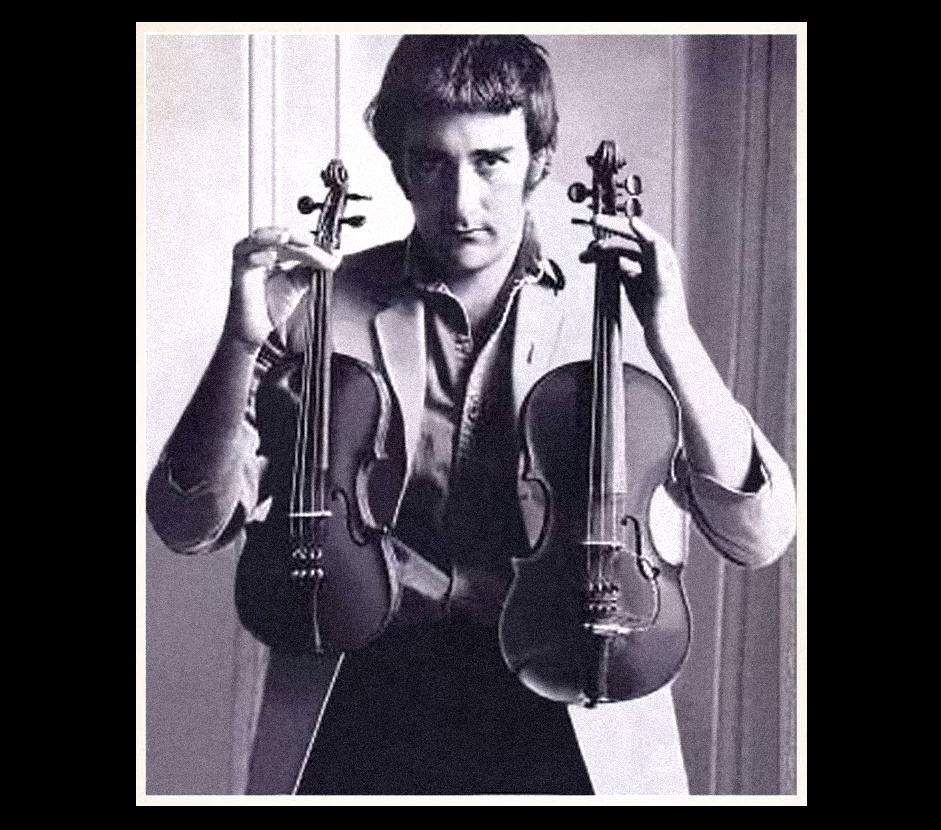
Fred Frith being one of those geniuses who pretty much always let his playing do the talking, Gravity being an album that dates back to 1980, but it was deep into the 1990s before I gave it a proper listen. Music that stood the test, no doubt about that. Or more to the point, music that had confidently showed the way to the cool future we were then having. Rock and jazz and folk and all manner of exotic elements all humming along very nicely together, not world music per say, but what the world actually sounded like, with Hands of the Juggler a delirious standout, particularly once it shifts gears around the three-minute point.” (Philip Random)

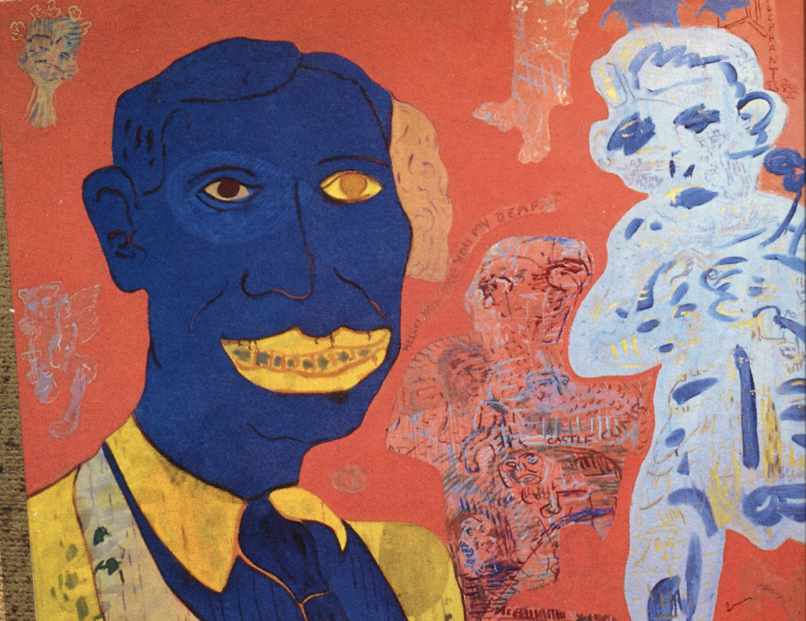
382. the man in the jar

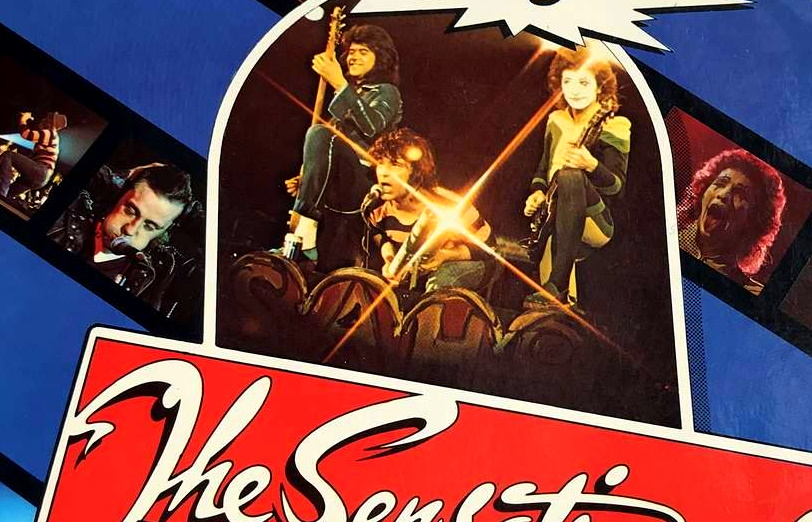
“I saw the Sensation Alex Harvey Band in 1975, warming up Jethro Tull, and yeah, it was sensational. They had props and costume changes, and there seemed to be a story being told. Maybe concerning a Man In a Jar, a track which I only got around to hearing (on record) maybe ten years later, bored, picking through a pile of old albums a friend was getting rid of. It was an instant keeper, and not just for the one song, the whole album being a sort of sleazy back alley opera about sleazy back alley stuff, and yet redeemed by an impossible dream, which are always the best ones. There were even bagpipes before it was all done.” (Philip Random)