256. wild is the wind

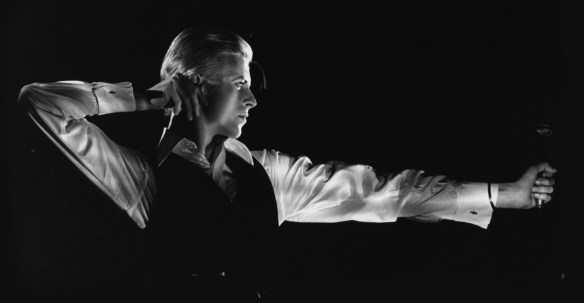
“Pay your dues long before you pay the rent, finally catch a few breaks, rise to mega-supernova status, then crash and burn into an oblivion of ego, drugs, madness. Hardly an original scenario. But it takes a special talent indeed to pull off the crash and burn part without messing up creatively. Which is what David Bowie managed in 1976 with Station to Station, his Thin White Duke album, the one he’d later claim he had no memory of making. So yeah, here’s to madness and oblivion, particularly if it includes a cover as epic as Wild is the Wind, which I was certain was a Nina Simone original, but then my lawyer pointed out, it’s from a 1950s Anthony Quinn movie. Either way, it gets to feeling like life itself once that wind really starts a-blowing.” (Philip Random)
davidbowie-1976-thinwhiteduke

257. step right up

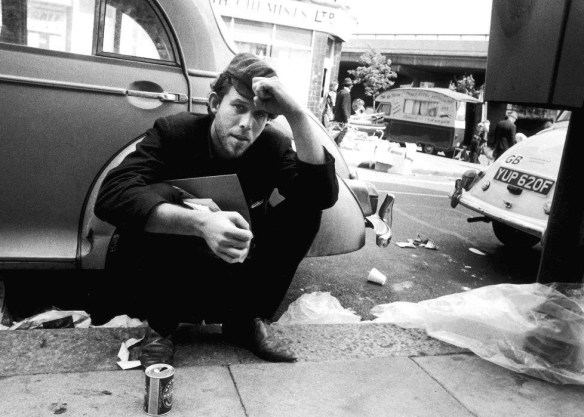
“I’ve already laid out my concerns about Tom Waits. His stuff often feels more like he’s acting, playing a part, than presenting genuine boosey, bluesy decadence and decay. But it is a hell of fine act, and Step Right Up, from 1976’s Small Change, is standalone genius anyway, a full-on Beat-skewering of everything that was ever phony, skin deep and ultimately ugly about consumer culture past, present and future. Always some asshole trying to sell you something you don’t need, trailing an oil slick wherever he goes.” (Philip Random)

tomwaits-1976-street

301. Hey Joe

Jimi Hendrix didn’t write Hey Joe but he definitely owned it, a song that many tried their hand at back in the day, but nobody else came close until 1975 when the band known as Spirit dropped a loose, meandering impression that didn’t bother trying to measure up, just wandered beautifully off in its own cool direction. Philip Random remembers stumbling onto it in the late 1980s sometime. “The album Spirit of 76. I think I paid two bucks for it, two records, four sides of mostly easy (yet weird) reflections on the theme of America, two hundred years young and rather confused as nation states go. Because come 1976, The Vietnam War had just been lost, Richard Nixon had finally been jettisoned, the whole hippie thing was fading fast with nothing palpable (yet) to fill the void. So yeah, Spirit’s casually wasted take on the murder ballad in question made perfect sense.”

spirit-1975

308. crazy baldheads

“I believe that’s us Bob Marley is howling about here, our dads and granddads and uncles anyway – the crazy baldhead agents of colonial Babylon doing the devil’s work, making a mess of every beautiful thing in creation. Found on 1976’s Rastaman Vibration, the first Marley and the Wailers album to crack the American top ten. The times were a-changing. And you could dance to it.” (Philip Random)

BobMarley-1976-live

383. northern sky

“I never much bought into all the death cult stuff, the young artists who were just too pure for the world, or whatever. I guess I feel it’s the living we should focus on, the ones still dealing with it (whatever it even is) rolling with it, not ending it, intentionally or otherwise. Or as a stoned friend once put it of Jimi Hendrix, I prefer the stuff he did before he died. Which gets us to the only Nick Drake selection on this list, the only one I heard before I had any idea of why he was so damned important. True he was already long dead when I first stumbled upon Northern Sky via the Great Antilles Sampler (the 1980s sometime), but I didn’t know that. I just liked the song and it how it served the album’s overall eclectic flow – from folk to pop to free jazz to full-on experimental avant-everything. Music worth living for, goddamit.” (Philip Random)

NickDrake-1971-brickWall

420. you shouldn’t nuf bit fish

“Though I was aware of the fabulous strangeness of George Clinton and Funkadelic and/or Parliament as far back as 1976 (having caught him/them on TV one late and lonely teenage night), I never really dove in until You Shouldn’t Nuf Bit Fish crossed my path in 1984. It was just so utterly what I needed — completely concerned with the apocalyptic mess that we, the species, were very much in as the 1980s stumbled toward their midpoint, all of our nuclear fishin’ fuelling the cold war arms race, the Doomsday Clock ticking every closer to midnight … with the old man in Washington DC whose finger was on the trigger slipping into dementia. No better time for a funk that was spaced way out, and resolutely strange.” (Philip Random)