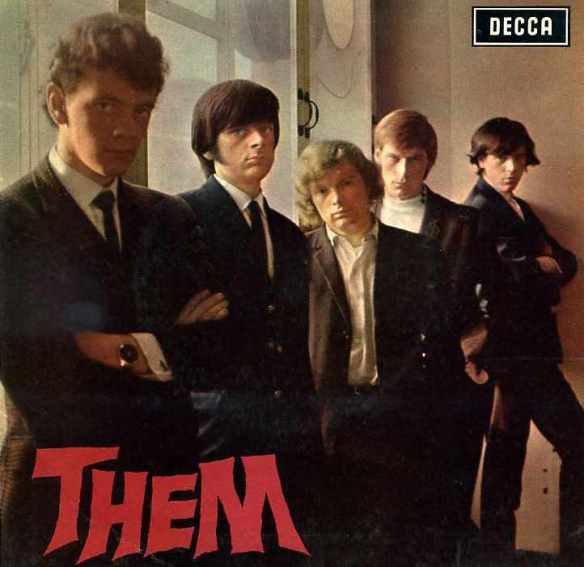
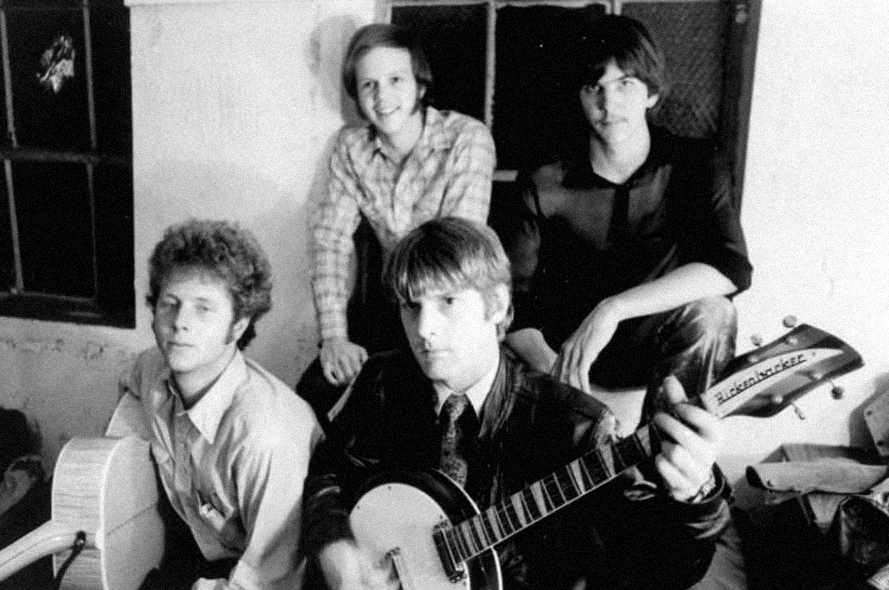
“I hear a Them track and I honestly can’t hear much difference from what the Rolling Stones were up to at the same time. Mid-60s, putting serious electricity to the blues, kicking great and necessary holes in the reality barrier. The weird part is that it’s Van Morrison doing the howling, offering nothing short of everything, which is clearly not enough. Some things never change.” (Philip Random)
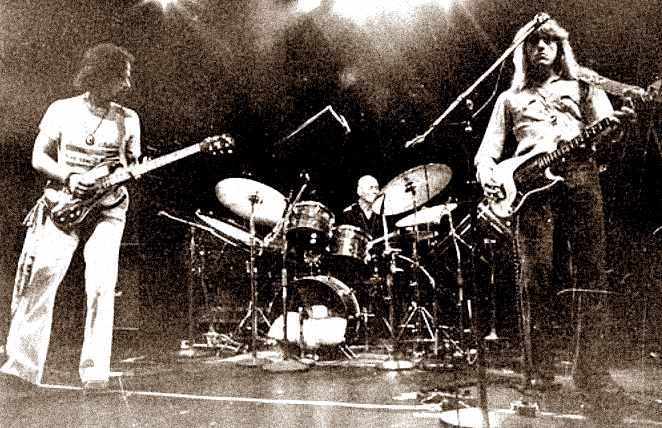
“There’s no point in trying to do justice to the universe expanding alien immensity that is the Sun Ra story with a few words. So I won’t bother trying. Just urge you to look into it, please, explore at least some of those extra-stellar regions. As for Nuclear War, I think it speaks well enough for itself. We’re f***ed if we allow for even its possibility in our stratagems. True in 1945, true in 1982, true forever to the ends of the time and space.” (Philip Random)
“Derek and the Dominoes‘ only studio album was a 1970 release, but it didn’t cross my teeny bop consciousness until summer 1972 when they finally got around to releasing Layla as a radio single. Which led to my friend Malcolm getting the album, which mostly went way over our heads – all that loose jamming (and the drugging behind it) being more for the older kids. But I’d eventually come back around to it maybe twenty-five years later, particularly stuff like Key To The Highway where misters Eric Clapton (already well into a heroin addiction), Greg Allman (due for a fatal motorcycle accident), Jim Gordon (fated to go mad and murder his mother) and essential others sort of lay back and go long, delivering the news of what is to be genuinely free (you’ve got the key, you’ve got a vehicle, you’ve got an open road – what more could want?) for almost ten minutes anyway.” (Philip Random)
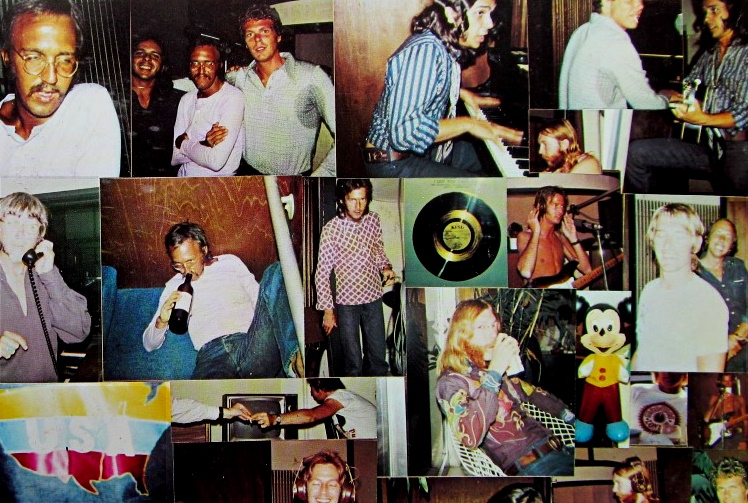
Jimi Hendrix didn’t write Hey Joe but he definitely owned it, a song that many tried their hand at back in the day, but nobody else came close until 1975 when the band known as Spirit dropped a loose, meandering impression that didn’t bother trying to measure up, just wandered beautifully off in its own cool direction. Philip Random remembers stumbling onto it in the late 1980s sometime. “The album Spirit of 76. I think I paid two bucks for it, two records, four sides of mostly easy (yet weird) reflections on the theme of America, two hundred years young and rather confused as nation states go. Because come 1976, The Vietnam War had just been lost, Richard Nixon had finally been jettisoned, the whole hippie thing was fading fast with nothing palpable (yet) to fill the void. So yeah, Spirit’s casually wasted take on the murder ballad in question made perfect sense.”
“Neil Young’s Rust Never Sleeps was the final album of his best decade (1970s), the one where he acknowledged punk rock while reminding us that he and Crazy Horse had been making a proper garage racket long before the likes of the Clash, the Sex Pistols, the Ramones hit the scene. Not that Rust Never Sleeps is a punk rock album, just raw and loud, and that’s all reserved for Side Two which kicks off with the one of a kind epic Powderfinger. Epic, sorrowful, poetic — I always assumed it was about the American Civil War, a young kid left behind to defend the farm (or whatever), facing down an approaching enemy with no hope at all yet determined to pull the trigger anyway. But that’s just my read. Different from Neil’s, I’m sure. And everybody else’s for that matter.” (Philip Random)
As the story goes, the Byrds invented country rock in 1968 with the arrival of new guy Gram Parsons, the album known as Sweetheart of the Rodeo. It didn’t sell that well. There were no big deal hit singles. Mr. Parsons himself would be gone before the next album, chasing his own particular dreams and oblivions. But it seemed to stick anyway – the notion of putting country’s yearning and twang in service of the rock. It certainly worked for You Ain’t Goin’ Nowhere, a Bob Dylan nugget from perhaps the world’s most famous basement, wherein winter’s a-howling and Genghis Khan is running low on sheep for his kings, but the times are good regardless.