613. cat food

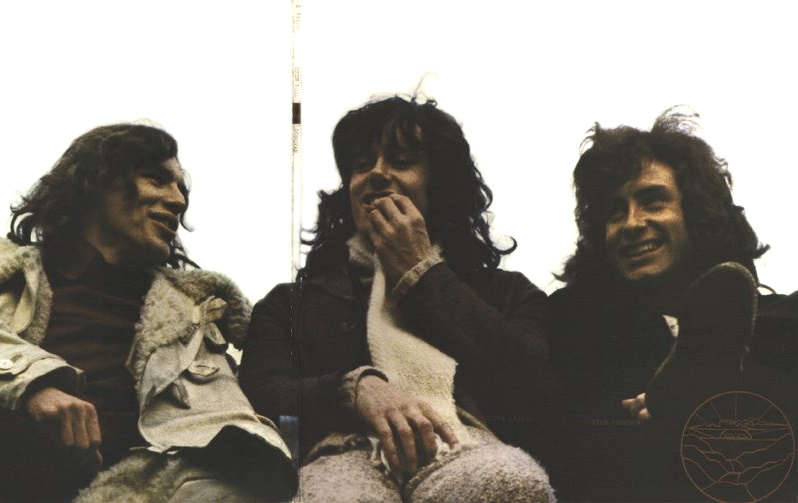
King Crimson were a mess come 1970. A year earlier, they were tearing up the zeitgeist with their debut album, re-framing the very definition of so-called rock music. But one North American tour later, almost everybody had bailed – for reasons of love, sanity or, in the case of singer Greg Lake, greater fame (and riches) with the outfit that would come to be known as ELP. Though he did stick around long enough to deliver a few vocals for the second King Crimson album, including the oddly cut-up attempt at pop glory Cat Food, which, of course, failed in the unit-shifting department, but only because it was (and likely still is) at least half a century ahead of its time.

KingCrimson-FrippLake

624. give peace a chance

In which Joe Cocker and crowd unleash the other Give Peace A Chance – the one that brings down the house toward the end of maybe the greatest hippie movie ever made.  No, not Woodstock. There was too much mud, way too many people.  Mad Dogs + Englishmen had a tighter focus, which was a useful thing in those rather wasted days.  Just one hot band (a big one mind you) and the wild and colourful tale of their one and only tour together. That’s Leon Russell in the top hat by the way, the maestro holding it all together.

LeonRussel+JoeCocker

695. Celtic Rock

In which the the Sunshine Superman (aka Donovan) sees which way the wind is blowing at the dawn of the 1970s, ditches the flowers and patchoulie, straps on an electric guitar and gets to rocking, celtically, with a murky tale from times of old about real trolls, the kind that live in caves or under bridges, sometimes giants, sometimes dwarfs, always very ugly and keen to grab unsuspecting travelers. And it’s not just a one-off. The whole Open Road album is a keeper, its raw elemental sound reminding us that before he was anything else, Donovan Leitch was a folk singer, a minstrel, traveling alone through hollow lands, taking notes, telling stories, telling the truth.

696. lonesome and a long way from home

“Speaking of ear worms, this Eric Clapton track is definitely one of mine, always just lurking there, ready to slip into my consciousness if I’m feeling sorry for myself or whatever. Not that I’ve ever been a huge Clapton fan (Jimi Hendrix was always better, and Jimmy Page, Steve Howe, Neil Young, Duane Allman, Peter Green, Pete Townsend even). Nor have I been perpetually lonely, and where the hell is home anyway? “It’s back there somewhere,” as my friend Steve used to say, thumb pointed over his shoulder and far away, “Always in the rear view.” (Philip Random)

EricClapton-1970-crop

712. beware of darkness

“Speaking of darkness, I would’ve been eleven when George Harrison’s All Things Must Pass hit the world (and hit it did). The Beatles had just broken up and it was the first serious indication that all was not lost. The big singles were My Sweet Lord and What Is Life, but I got to hear the whole sprawling six-sided thing because my cousin got it for Christmas. I wouldn’t say I understood a song like Beware of Darkness but I got it anyway. That is, who cared about the specifics of the words? The title and mournful tone were enough, speaking volumes about the nature of a messed up world, all that hungry darkness floating around, wanting a piece of me.” (Philip Random)

GeorgeHarrison-1970

721. paint it black

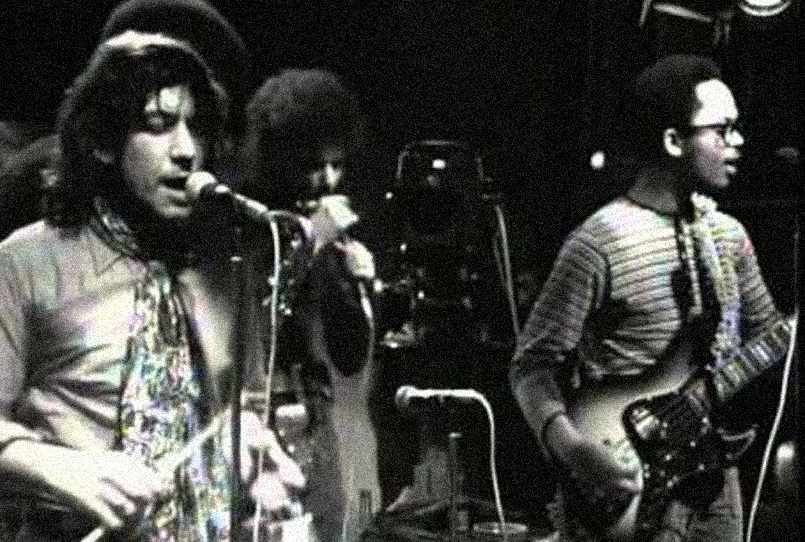
Eric Burdon took his whiteman-slumming-in-the-blackman’s-world thing all the way to the edge (and beyond) on his second (and last) album with the band known as War, with the epic take on one of the great Rolling Stones songs a definite (and definitive) highlight. It was released in 1970, but I didn’t hear until 1994.  A moment I remember all too well.  Kurt Cobain had just offed himself, everybody was fumbling around in shock at my friend Steven’s place. Suddenly some guy whose name I forget said something like, ‘F*** you, Cobain. There’s always something to live for. I bet you never even heard this.’ And then he slapped side one of Black Man’s Burdon on the turntable.” (Philip Random)

EricBurdonWAR-1970