333. numbers + computer world

“I first heard Kraftwerk‘s Computer World at Michael’s place. A sort of slimy guy that we used to buy dope from back in the late 70s, early 80s. He lived in a high rise near English Bay, always had the stereo on loud, usually playing shitty soft rock. Except this one time, a beautiful day, sun glowing in off the bay – it was this cool machine music. Kraftwerk, I would’ve guessed, except Kraftwerk weren’t around anymore, were they? A couple of gimmicky robot records back in the mid-70s and then back to Germany. I was right. It was indeed Kraftwerk, still cranking out the future. I was wrong. They were anything but a gimmick. Suddenly, I had a pile of exploring to do.”

Kraftwerk-1980-computerWorld

336. big science

“It’s 1982 and Laurie Anderson, who no one I know has ever heard of, has suddenly painted a picture of the future, equal parts strange and beautiful, yet already haunted. The whole album‘s a gem but the title track deserves special mention for the way it delivers this future — all shopping malls, drive-in banks and every man for himself. And yodeling, hallelujah to that, and to the big science that makes it all possible — those cooling towers off the edge of town, higher than any church steeple ever towered, hissing and droning, liable to melt down and explode at any second.” (Philip Random)

LaurieAnderson-1982-NYC

360. The 15th

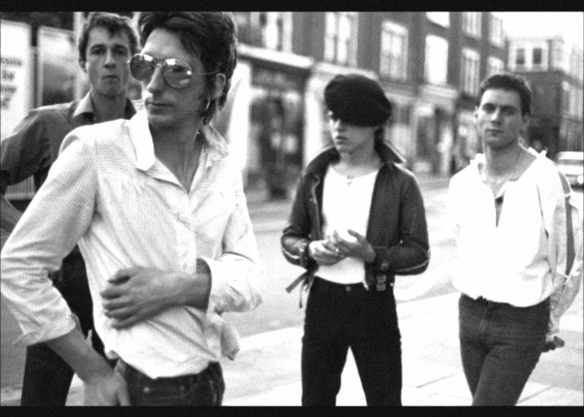
“A tight modern pop song with the kind of sharp, icy edge that defines a sonic future for all mankind. Which is pretty much what Wire did in 1979 with 154 (one of the greatest albums of any time) and songs like the 15th. Hell, I didn’t even hear it until at least five years later, called up the DJ because I had to know what this cool new song was.” (Philip Random)

Wire-1979-promo


447. false leader

Gary Clail gets the credit here but there are all kinds of folks involved in this grim yet groovy few minutes from 1991, with On-U Sound at the heart of it all. I’d say the 1980s were more their time, when their fusion of dub, punk, politics, NOISE mattered most. It manifested in various bands, singers, poets, players, but it was pretty much always Adrian Sherwood working the final mix. With a track like False Leader pulling it all together, throwing down a gauntlet that the future’s still trying to figure out. And yes, they are still at it.” (Philip Random)

464. into the lens

The forced marriage in 1980 of prog-rock dinosaurs Yes and earworm popsters The Buggles was a strange thing that should not have worked. And maybe it didn’t, because they only ever released one album (Drama) which can’t just be dismissed, if only for the possible future it speaks of that never happened – a musical decade that managed to both embrace the cool new synthetic pop options and the recent powerhouse progressive past. Like an odd sci-fi movie that only you remember, seen just once late at night on one of those scrambled Pay TV channels. Maybe Tuesday Weld was in it.

Yes-1990-vid

475. editions of you

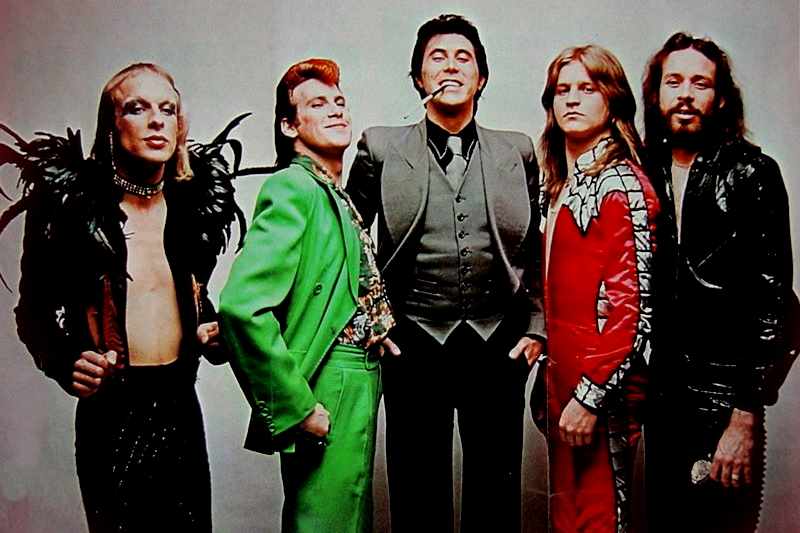
“Tight, hard, fast, and looking very good – nobody else sounded or looked or felt remotely like Roxy Music in 1973. That would have to wait five years or so. Then all kinds of people were sounding, looking, feeling like Roxy Music (in 1973).  Unfortunately, Roxy weren’t anymore. They’d gone all white-boy soulful, a creature I could never love. But that was okay. I was really just discovering 1973 anyway, and it was all for my pleasure.” (Philip Random)

RoxyMusic-1973-promo