Unknown's avatar

About Randophonic

For now, I'm best thought of as a radio program. Sometimes it may seem I'm all the work of one person, other times many. What matters is the program.

637. A Passion Play

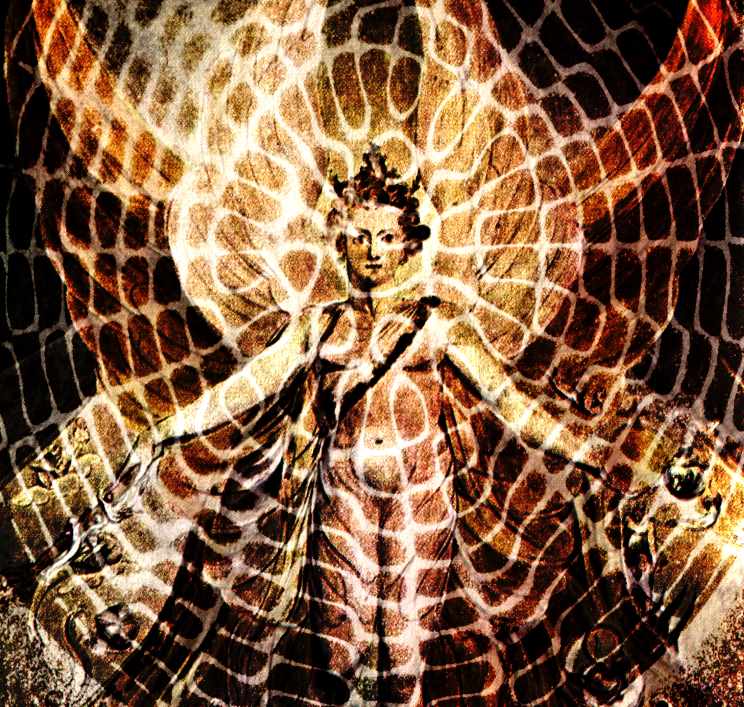
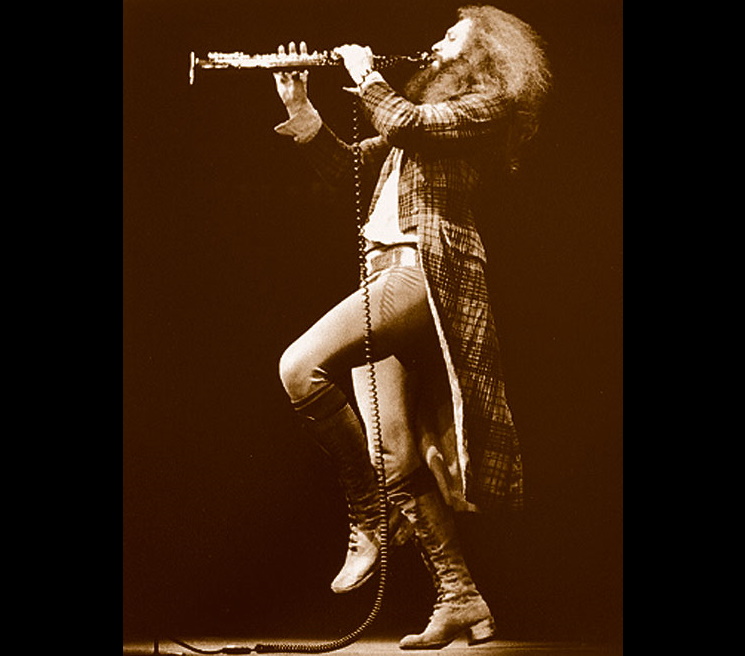
“It seems insane to even think about it now, but in 1972 Jethro Tull conquered the world with a 43-minute-44-second song called Thick as a Brick that comprised the entire album of the same name. Adventurous, dense, continuous, it even half made sense, both musically and lyrically. So what did Ian Anderson (Tull main man) and his talented crew do for a follow-up? Another album long song, this one called A Passion Play, which proved even more dense and adventurous than Thick As A Brick. And I’m still trying to figure it out. Actually, that’s a lie. I gave up a long time ago, because as a friend concluded, ‘Man, you’ve gotta be Ian Anderson’s f***ing brain to know what any of that’s supposed to mean.’ Which doesn’t mean I ever stopped listening to it. I guess I just pretend I’m Ian Anderson’s brain for a while.” (Philip Random)
(image source)

638. musicione

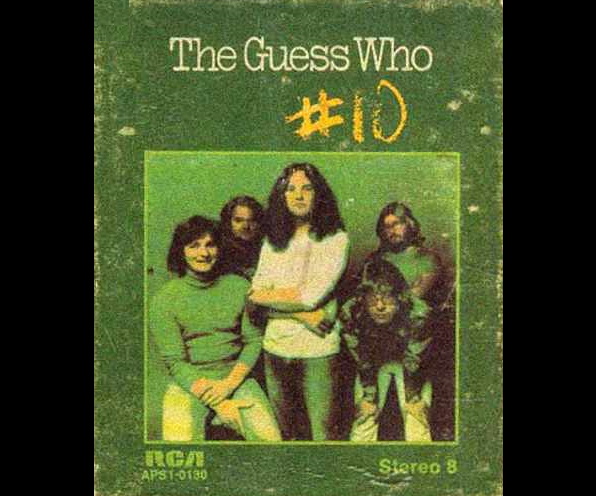
By 1973, The Guess Who were mostly on the wane, certainly as a commercial force. Randy Bachman was long gone, and what had been a outfit that couldn’t seem to help cranking out the hits now seemed more interested in just being an improper rock ‘n’ roll band, drinking and drugging and whoring around. Which doesn’t mean the music was dead – you just weren’t hearing it that much on the radio anymore. Musicione for instance. A smart rocker with a loose jammed-out feel that ends up feeling like a hymn toward something or other. Who makes the music when you die?  Somebody else, obviously.

639. the golden age of rock and roll

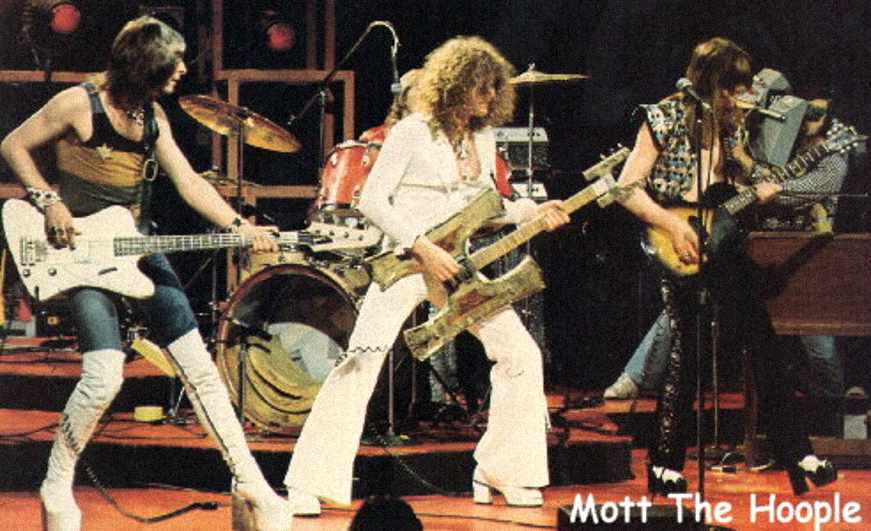
“I hated the golden age of rock and roll when I was a young teen. Not the song, the era.  The Buddy Hollys, Chubby Checkers, Bill Haleys, Big Boppers, Elvis – the whole big deal 1950s-early-60s retro thing that was suddenly going down everywhere in the wake of American Graffiti (the movie). Which wasn’t bad at all. I just didn’t need the f***ing revival. I had Bowie, T-Rex, Jethro Tull, Alice Cooper, Deep Purple, The Stones, Mott The Hoople, who, of course, wrote this song about it all, with the crucial line that the golden age of rock and roll wasn’t then, it was now. And it still is. It has to be. Believe otherwise and you might as well be dead.” (Philip Random)

Mott-1974

640. Joan of Arc (Maid of Orleans)

Orchestral Manoeuvres in the Dark being one of those outfits that would be very easy to ridicule (hate even) for their name alone, except they rather lived it up to it. For the first few albums anyway. Architecture & Morality (their third) hit big in the UK, and deserved it, working a cool mix of pop and noise and ambient options, with Joan of Arc (Maid of Orleans) managing to do it all in four minutes and change.

47. The Solid Time Of Change

Installment #47 of the Solid Time of Change aired on Saturday September 23rd (c/o CiTR.FM.101.9).

Youtube playlist – not entirely accurate.

The Solid Time of Change is our overlong yet incomplete history of the so-called Prog Rock era – 661 selections from 1965 through 1979 with which we hope to do justice to a strange and ambitious time indeed, musically speaking.

solid-crop-47

Part Forty-Seven of the journey went as follows (selections 28-23):

  • King Crimson – Red
  • Genesis – the carpet crawlers
  • Genesis – Firth of Fifth
  • Yes – The Revealing Science of God
  • Yes – The Gates of Delirium
  • Pink Floyd – shine on you crazy diamond [I-IX]

Fresh episodes air pretty much every Saturday night, starting 11 pm (Pacific time) c/o CiTR.FM.101.9, with streaming and download options available within twenty-four hours via our Facebook page.

642-641. eleven o’clock tick tock + the ocean

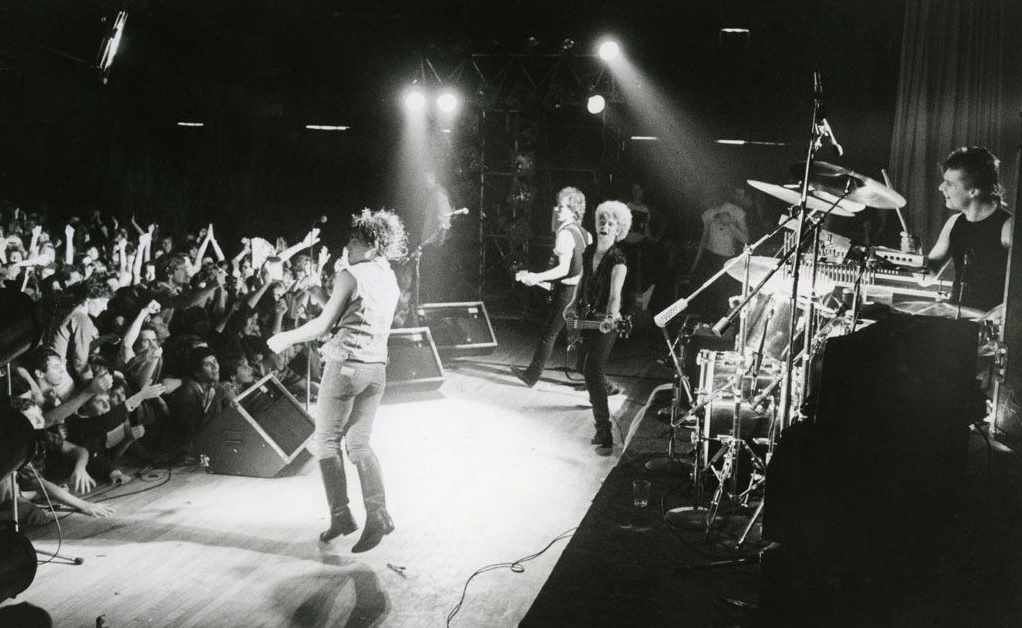
“Two in a row from way the hell back in the U2 story (and as eventually found on the R.O.K. 12″), way before all the fame and riches and boredom. My boredom, that is. I blame Joshua Tree. Though I guess it wasn’t the songs so much as the environment. U2 just weren’t as good anymore in those huge stadiums. Give me the Commodore Ballroom any day, 1981, three dollar ticket, maybe a thousand curious punks and new wavers. I’m pretty sure they did Eleven O’Clock Tick Tock as the encore that night, and the whole show actually began with The Ocean. But either way, the place went mad. Or as a friend said at the time, it’s like they weren’t playing songs, they were playing us, the audience. The songs were what we sounded like. He’d dropped acid.” (Philip Random)

U2-1981