70. the world is a ghetto

“Because it’s true, what the title says, the world is a ghetto, and never more so, it seems, than 1972-73, when I was finally getting serious about music, exploring the FM radio waves (which were still infinitely cool then, still dominated by DJs who loved music playing the stuff they loved). And that meant the extra long album version of The World Is A Ghetto got a lot of play, the version that really took you therewalkin down the street, smoggy-eyed, looking at the sky, starry-eyed, searchin’ for the place, weary-eyed, the fires of the 1960s riots and insurrections still smouldering, the smoke reaching even the whitebread suburbs of the Pacific Northwest where we didn’t really have so-called Black people. Yet we had their music and thus some small piece of their truth, I guess. Which, in the case of the band known as War meant all manner of genres, influences, ethnicities, impressions. They even had a white guy from Denmark playing some very haunted harmonica. Because this music wasn’t of or about any one place. It really was the whole world.” (Philip Random)

72. mongoloid

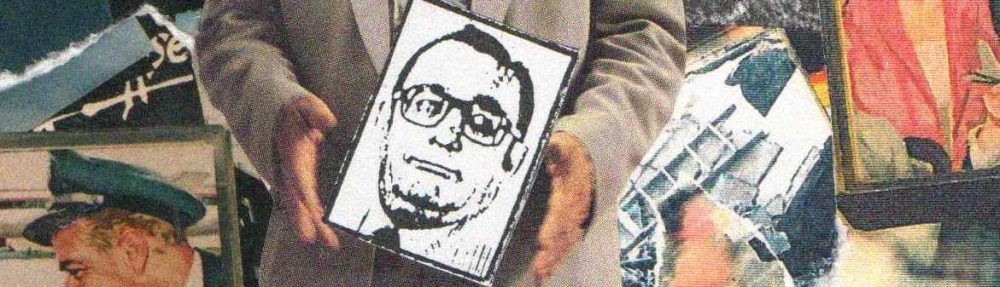
Mongoloid rates high indeed because it’s the first punk tune that ever truly grabbed me, even if some have argued (and no doubt continue to) that Devo weren’t Punk, they were New Wave, to which I just fire back a big WHATEVER. It would’ve been 1978 because Tormato, the latest Yes magnum opus, had been released, except it was neither magnum or opus. But I loved it anyway being a fan. But not my friend Carl, who made a point of removing Tormato from the turntable mid-song (the one about a UFO as I recall) and slapping down Devo’s first album in its place … which proceeded to make an impression. Particularly Mongoloid. Just the whole nasty punk idea of it – a wound up anthem about some guy who was a mongoloid. How perverse was that! And yet fun. Because it was. Unlike the Yes. But Yes weren’t aiming for fun, I tried to argue, they were fixed on something more complex, important. Carl just smiled and played Mongoloid again. By the third time through, I was air-guitaring.” (Philip Random)

(image source)

73. hyperbolicsyllabic – sesquedalymistic

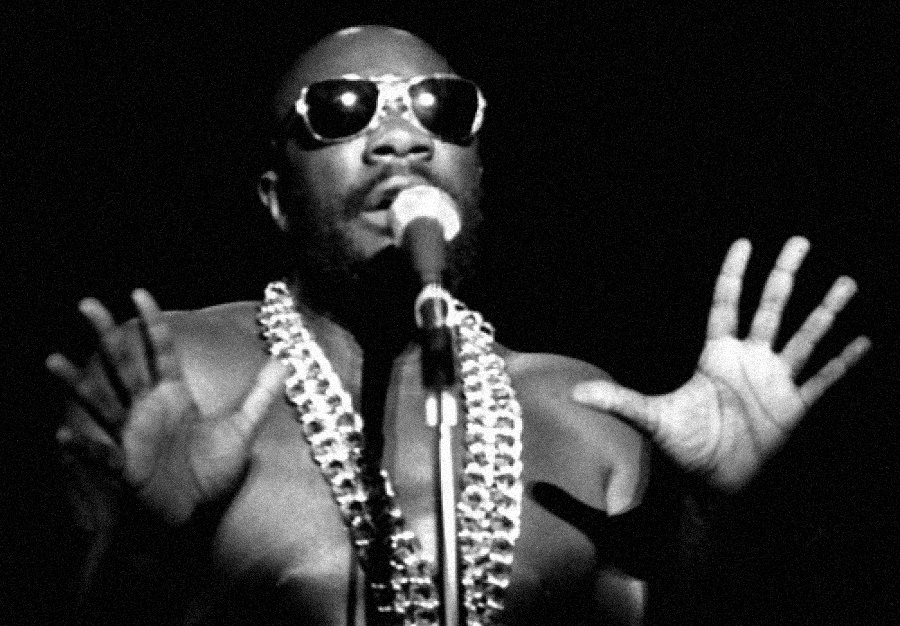
“I’m guessing the title is sort of a nod to the Mary Poppins tune, though the song itself takes off in a more resolutely soulful direction. And cool it is until the groove takes over and things genuinely elevate care of  the kind of musical genius that isn’t afraid to just let the piano speak, give it all the space it needs, don’t worry, it won’t disappoint you. Isaac Hayes (yeah, you may know him better as Chef) being the genius in question, the groove itself being so hot that Public Enemy would put it to stunning use a couple decades later in Black Steel In The Hour Of Chaos (one of their greatest moments) … almost as if Mr. Hayes had it planned all along. And maybe he did.” (Philip Random)

(photo: Chuck Dees)

74. floating

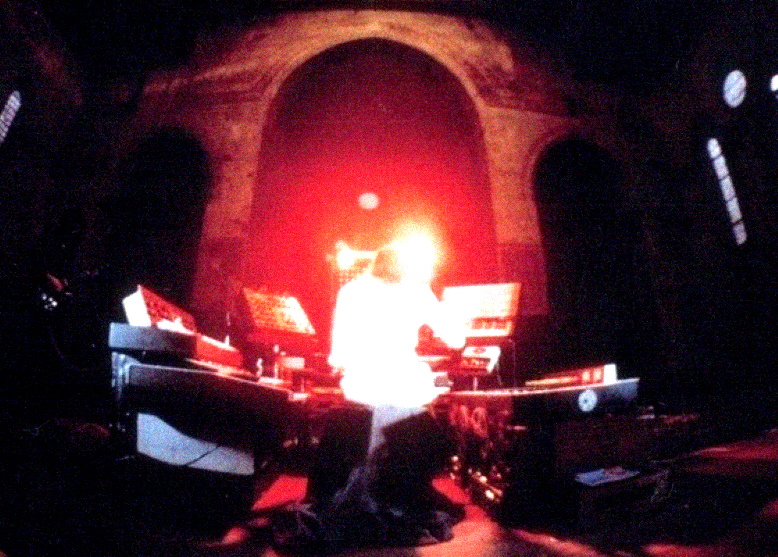
“Because there had to be at least one endless and eternal Berlin School mid-70s analog-synth epic on this list, and nobody ever did those better than Klaus Schulze. He started with Tangerine Dream, co-founded Ash Ra Tempel, but it took going solo (and various evolutions in synth and sequencing technology) to truly set things into infinite motion. Such that I might be saved (sort of) twenty years later – the weight of the whole damned universe driving me down for as many reasons as there are stars in the sky. I finally end up on the floor, flattened with worry and doom … except somehow or other Floating was playing. Did I put it on, or did it just happen? Either way, it did as advertised, got me floating, rising outside my miserable self, noticing miracles like the world outside my window, a beautiful day with birds singing, a breeze blowing, the sun a warm and benign 93 million mile wonder, with all the vastness and precision of eternity beyond. What was I even worried about?” (Philip Random)

75. Frankie Teardrop

Frankie Teardrop is probably the one track on this list that I’ve listened to the least, because who f***ing needs it on repeat? Yet we do need such stuff sometimes. Because violence is in our nature and it’s seldom been so viscerally expressed as it is here. No great surprise that it came out of 1977, the year Punk properly broke. Not that Suicide were punk. They were their own genre altogether. And political as hell if only for the full on howl of Frankie Teardrop, young man with a family, just trying to survive, but he’s not gonna make it, he can’t make the payments … and don’t fool yourself, we all know Frankies, perhaps as near as the closest mirror.” (Philip Random)

76. Ohio

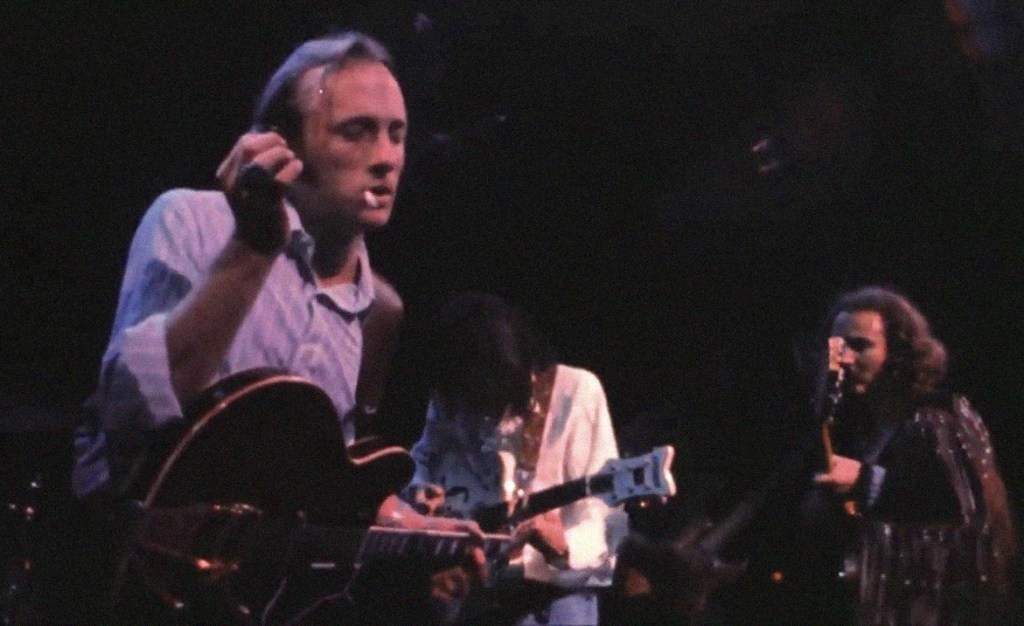
“The album was released in 1972 under Neil Young’s moniker (soundtrack to a movie almost nobody saw, and probably for good reason), but this Crosby Stills Nash + Young live recording of Ohio dates to June 1970, barely a month after the events in question – the murder by National Guard marksmen of four students on the campus of Kent State University, Ohio. So what you’re hearing is a band that’s very much in the line of fire, the smoke hasn’t even cleared, they’re playing for their lives, ferociously. Because Richard Nixon has given the executive order. F*** the long hairs and their protests, send in the tin soldiers and shoot ’em all down.” (Philip Random)